

Sacred Shakyamuni Buddha Thangka
Description
This hand-painted Tibetan Shakyamuni Buddha Thangka beautifully captures the Buddha’s moment of enlightenment, with Shakyamuni touching the earth beneath him. Surrounded by the Five Dhyani Buddhas, this sacred painting represents the full spectrum of awakened qualities, including wisdom, compassion, generosity, clarity, and fearlessness. Perfect for meditation, spiritual reflection, or as a meaningful addition to sacred spaces, it inspires inner peace, mindfulness, and balance.
Created with natural mineral pigments and traditional Himalayan techniques, this Thangka is a timeless piece of Tibetan Buddhist art that blends spiritual depth with meticulous craftsmanship.
Symbolism & Meaning:
- Shakyamuni Buddha – Central figure in meditation; earth-touching mudra symbolizes enlightenment and steadfastness
- Five Dhyani Buddhas – Represent different aspects of awakened consciousness: wisdom, clarity, generosity, compassion, and fearlessness
- Lotus Throne – Signifies purity, spiritual growth, and elevation above worldly challenges
- Rich Colors – Gold, red, blue, green, and white chosen for spiritual significance and harmony
- Natural Pigments – Enhances sacred energy and preserves traditional Thangka artistry
Product Details:
- Type: Hand-painted Tibetan Thangka
- Size: 51 cm × 76 cm
-
Base: 100% pure cotton canvas
- Origination: Nepal – painted by skilled Himalayan artisans

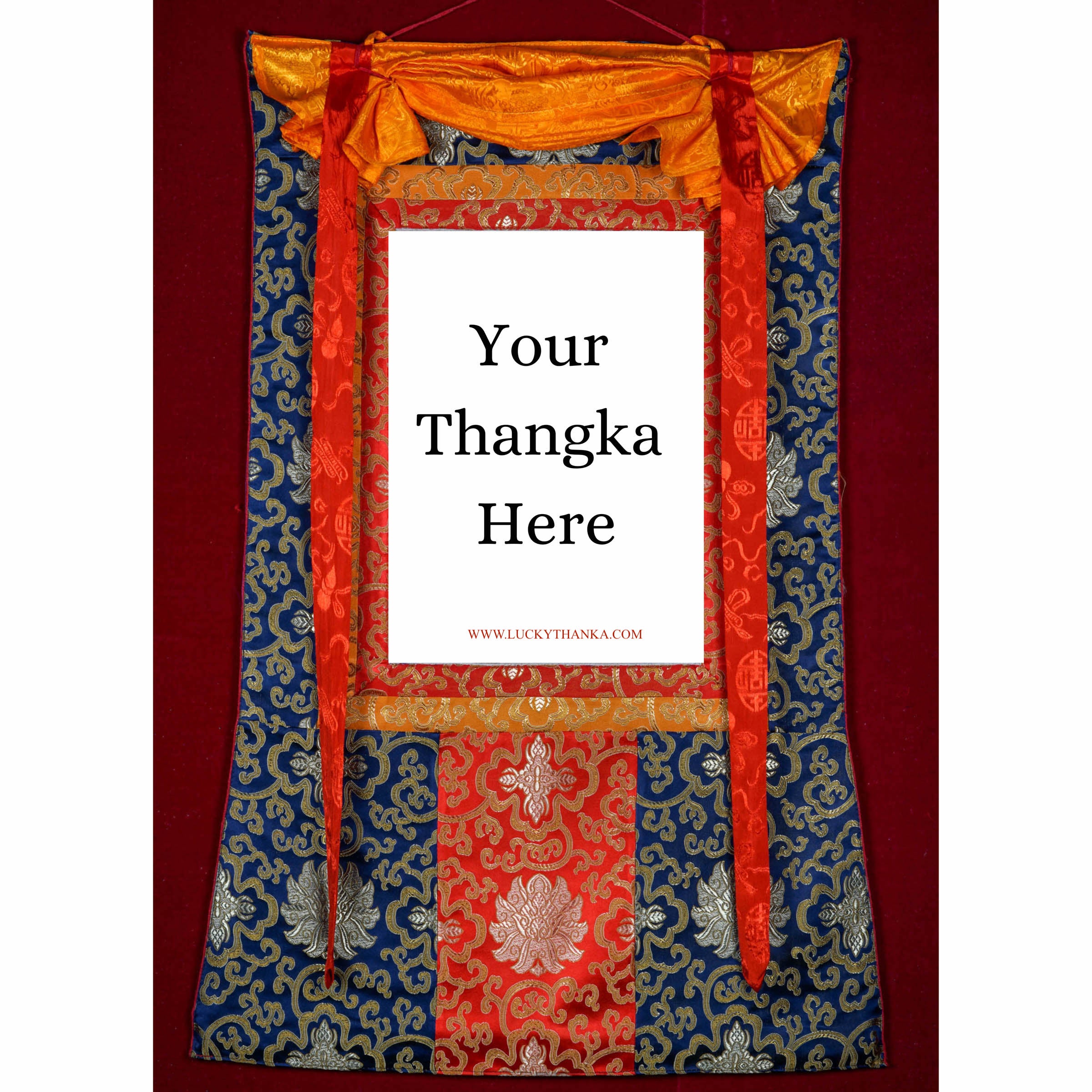
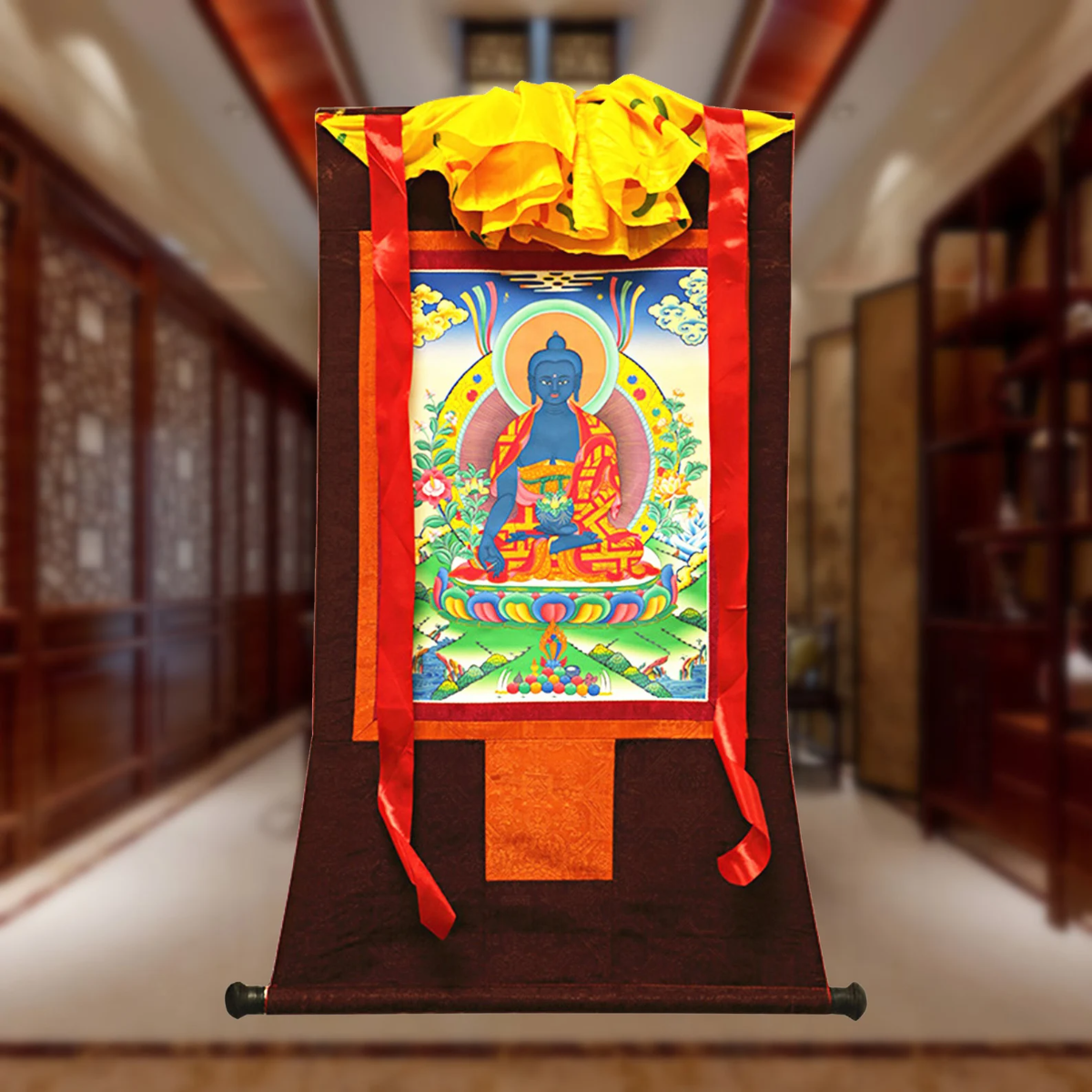
Hand Embroidery Brocade
Want to add a Brocade to your beautiful Thangka Painting? Traditional Style Brocade has been one of the most popular form of mounting as it has a greater religious merit.
Note: Make sure you have added the Thangka to your cart first.
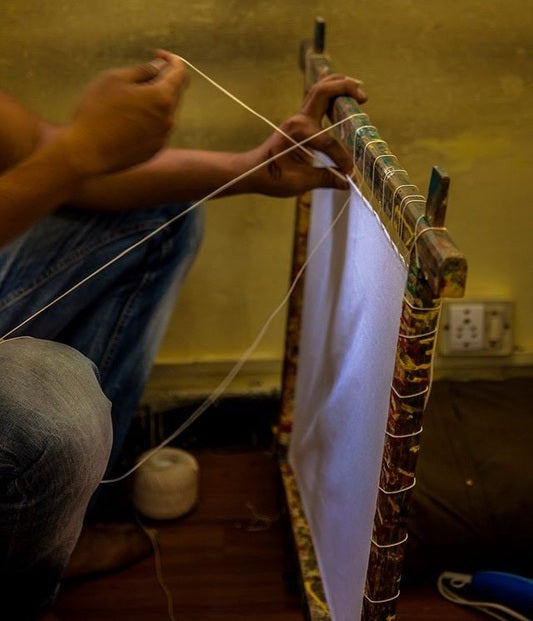
100% Cotton Canvas
Preparing the Cotton canvas before starting to paint a Thangka. This process includes washing, drying, stretching, sizing and everything needed to make a perfect base for the thangka to last for centuries.
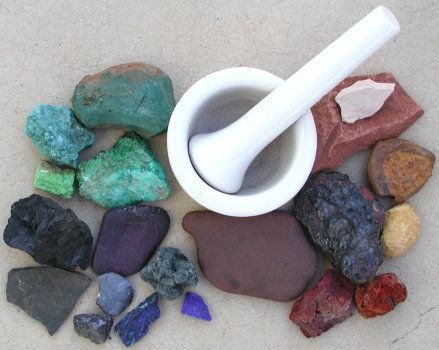
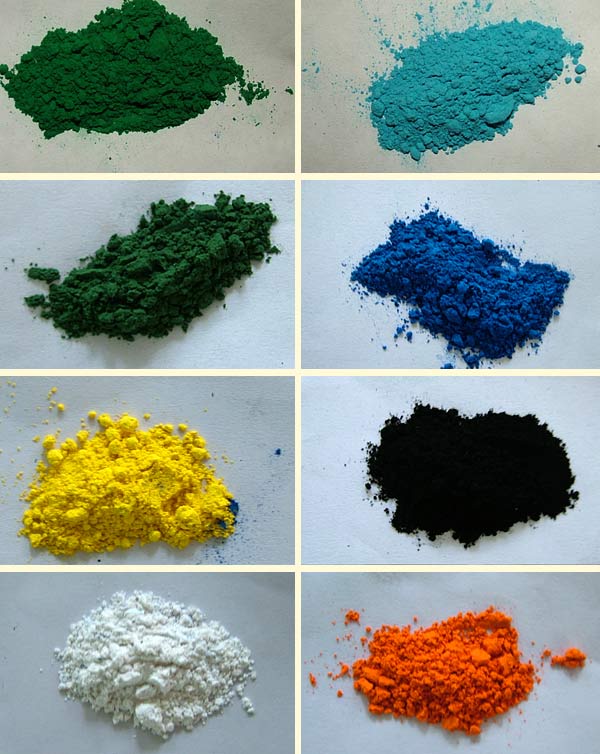
Natural Minerals
Thangka Paintings are painted using the natural minerals. These are firstly grind into the powder form and then used in the thangka as a paint.
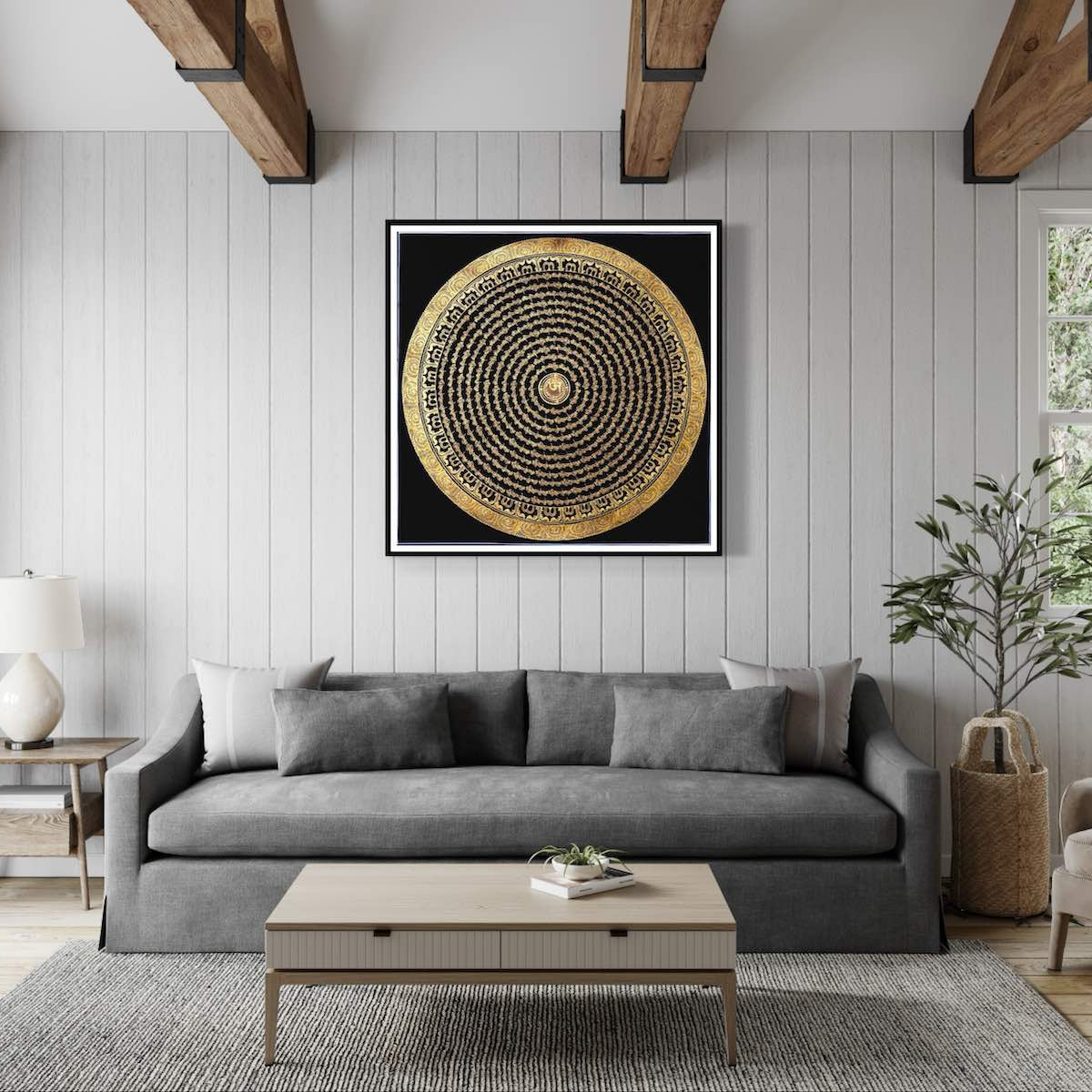
Service and delivery of this first Mandala I bought from Lucky Thanka was really fast and the updates were brilliant. This Mandala is simply beautiful and I am so pleased with it.
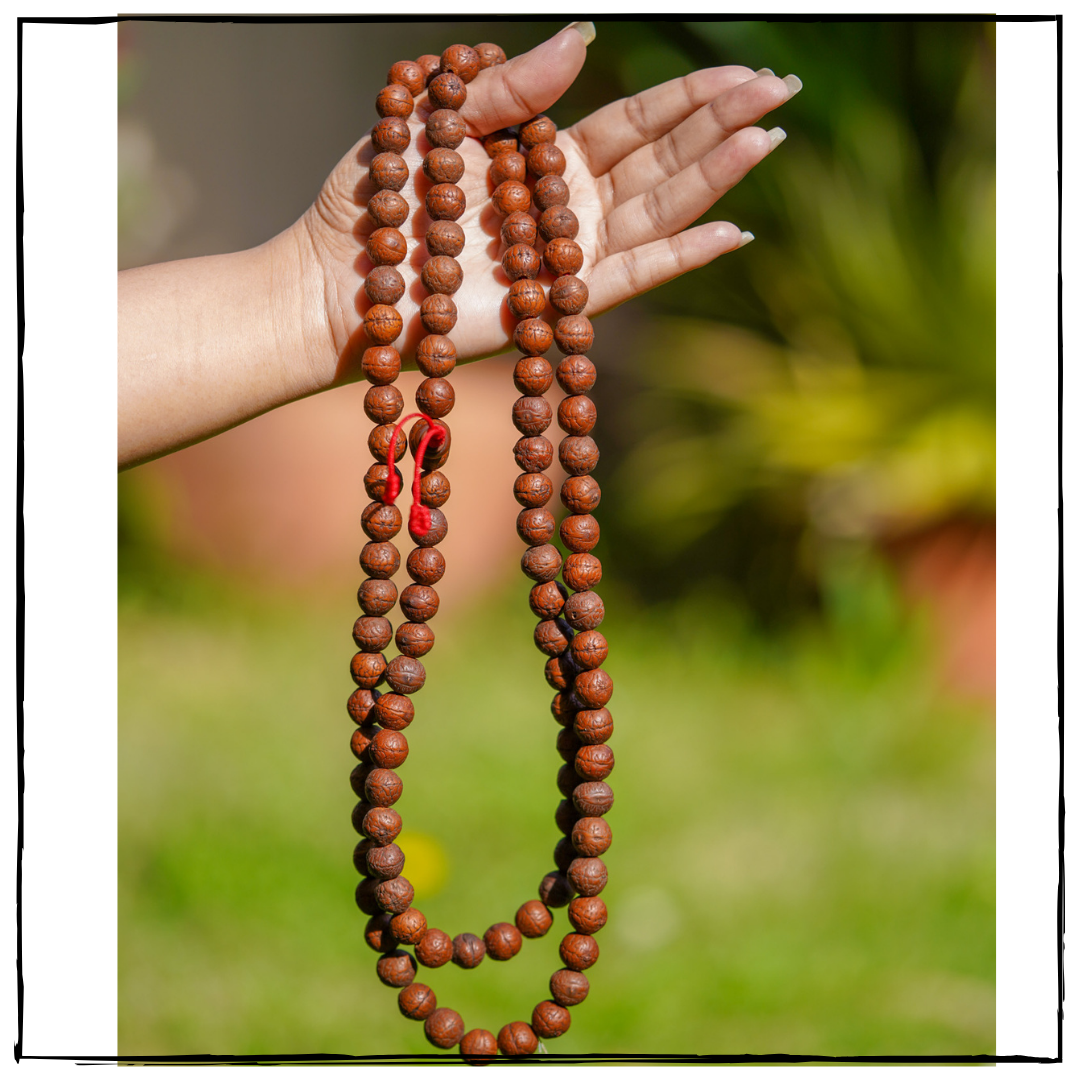
I am very happy with the quality of the seeds and i use it to count my mantra as it has 21 bodhi, which is so difficult to fine else where. Besides that Prateek’s impeccable service and advice is an incentive for me to purchase items from him. I will gladly recommend this website to you.
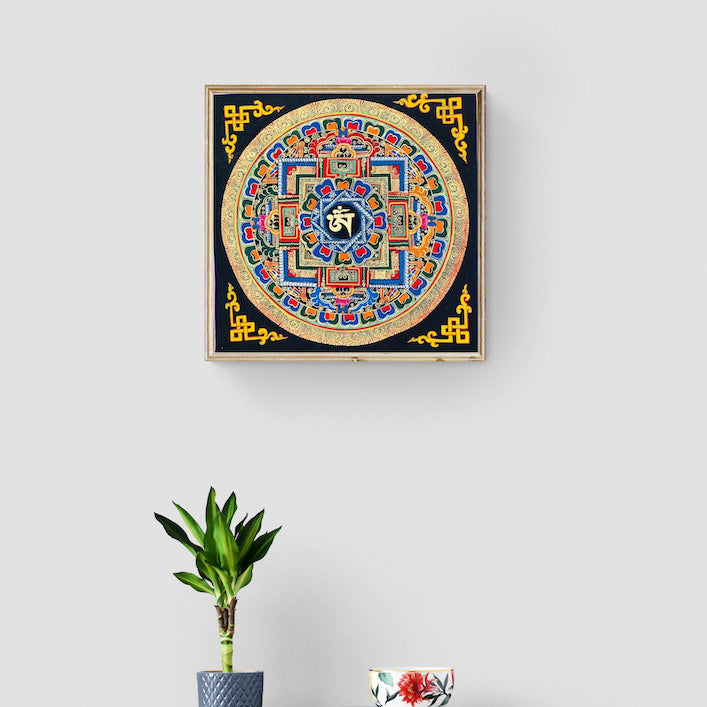
Great pleasure dealing with Lucky Thangka. Beautiful and well executed pieces. Very responsive and helpful staff. Highly recommended
Great quality heart chakra attuned bowl, fast postage and prompt replies from seller.