

Kalachakra Mandala Thangka Painting
Description
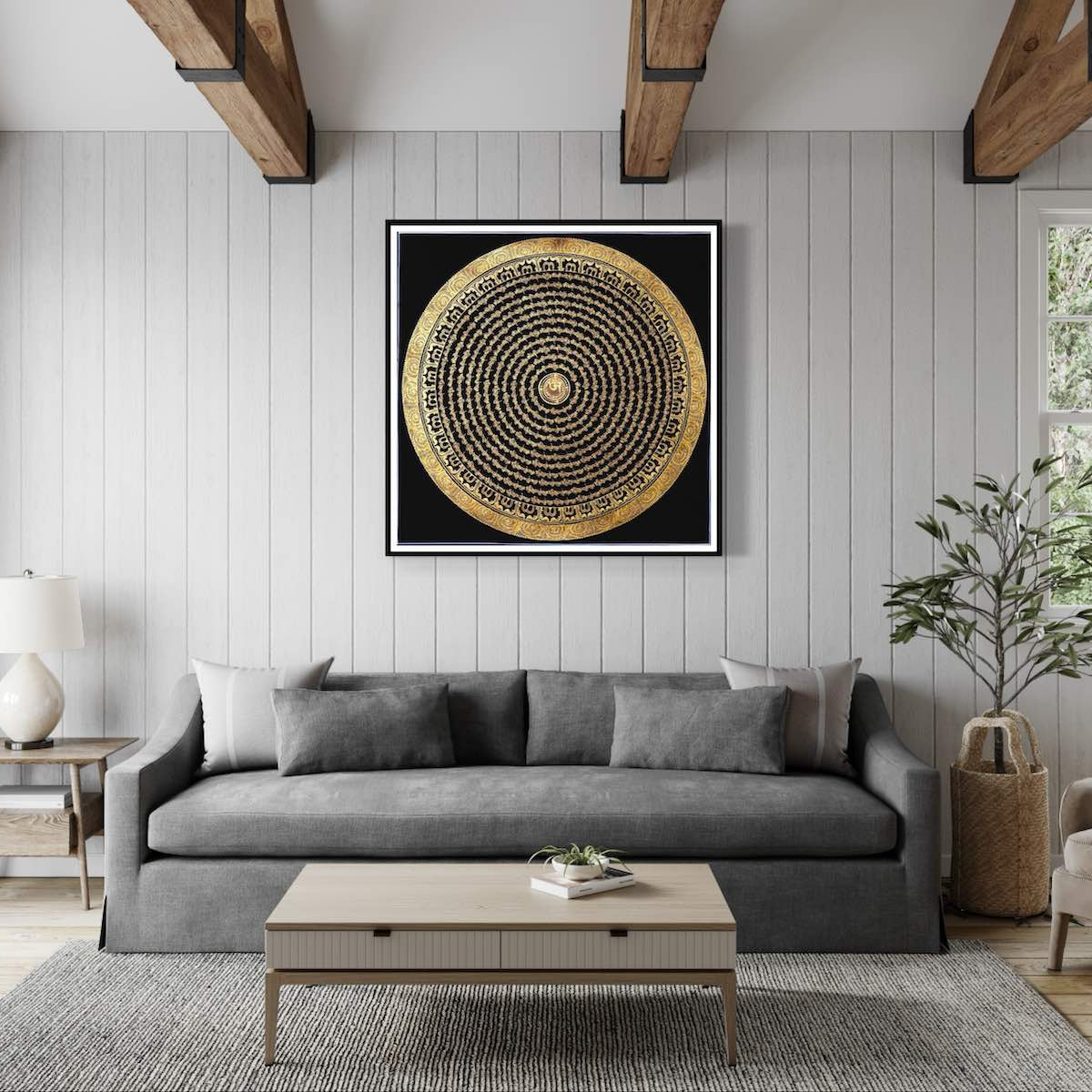
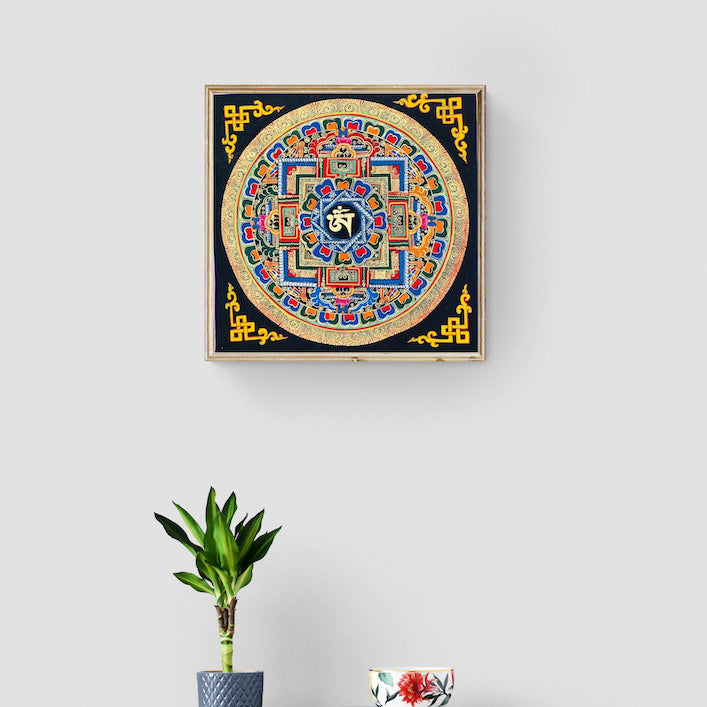
The Kalachakra Mandala is one of the most profound sacred symbols in Tibetan Buddhism, representing the cosmic structure of the universe and the cycle of time. The word Kalachakra translates to “Wheel of Time,” symbolizing the interconnected relationship between the universe, human existence, and spiritual transformation.
This traditional Thangka painting depicts the intricate cosmic palace of Kalachakra, a sacred diagram used in advanced meditation practices within Vajrayana Buddhism. The mandala serves as a spiritual map guiding practitioners toward inner balance, wisdom, and enlightenment.
Hand-painted by skilled Himalayan artists, this Thangka reflects centuries of Buddhist artistic tradition. The vibrant colors, detailed sacred geometry, and symbolic elements represent the harmony between the physical and spiritual worlds.
Symbolism and Meaning :
- Kalachakra Mandala Design – Represents the Wheel of Time and cosmic harmony.
- Sacred Geometric Symmetry – Encourages focus, balance, and meditative awareness.
- Four Directional Gates – Symbolic entrances to higher wisdom.
- Concentric Mantra Circles – Reflect protection and spiritual continuity.
- Hand-Painted Traditional Art – Created by artisans in Nepal.
- Cotton Canvas Base – Durable and suitable for long-term preservation.
Product Specifications
- Hand Painted
- Size: 50 cm x 50 cm
- Base: Cotton Canvas
- Origin: Nepal

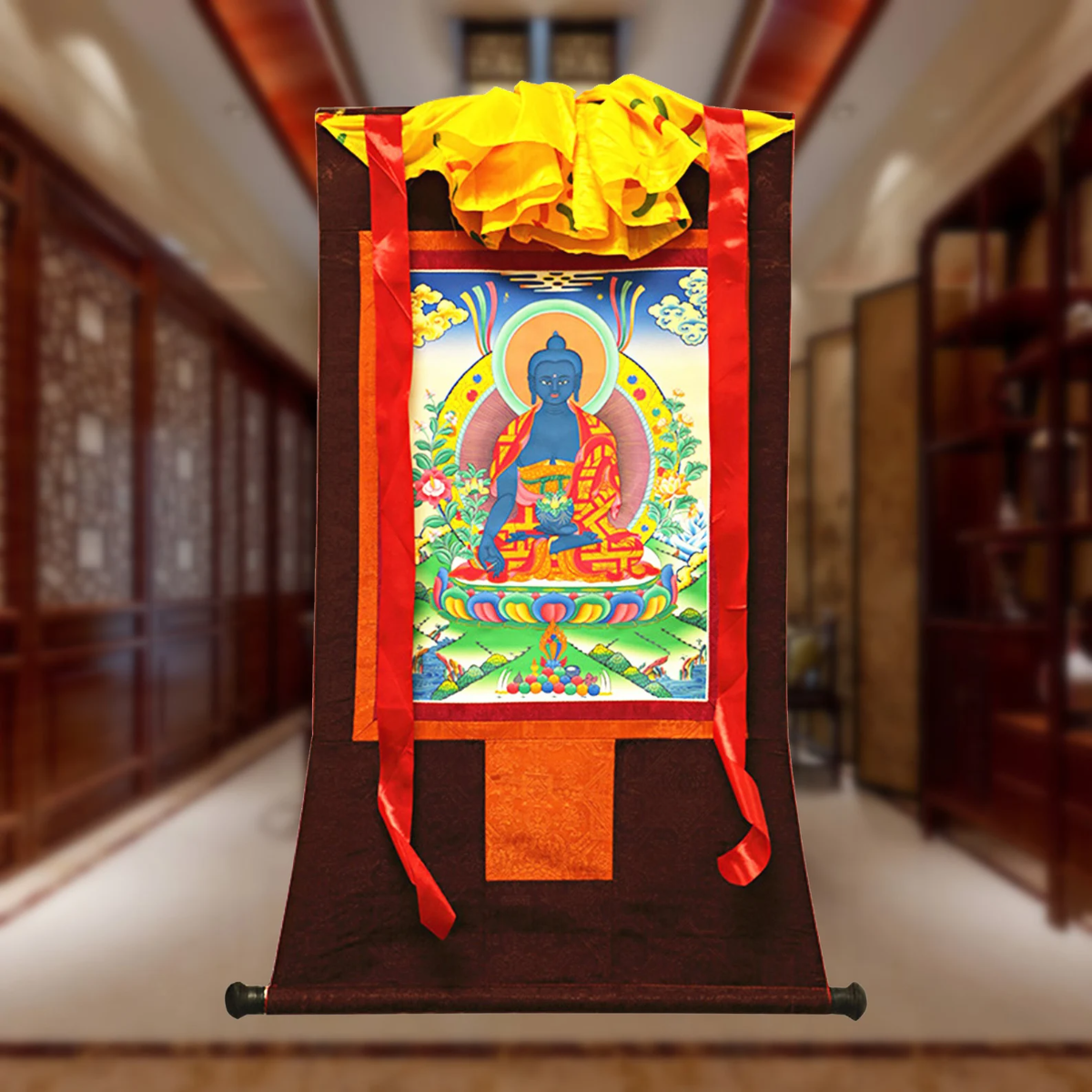
Hand Embroidery Brocade
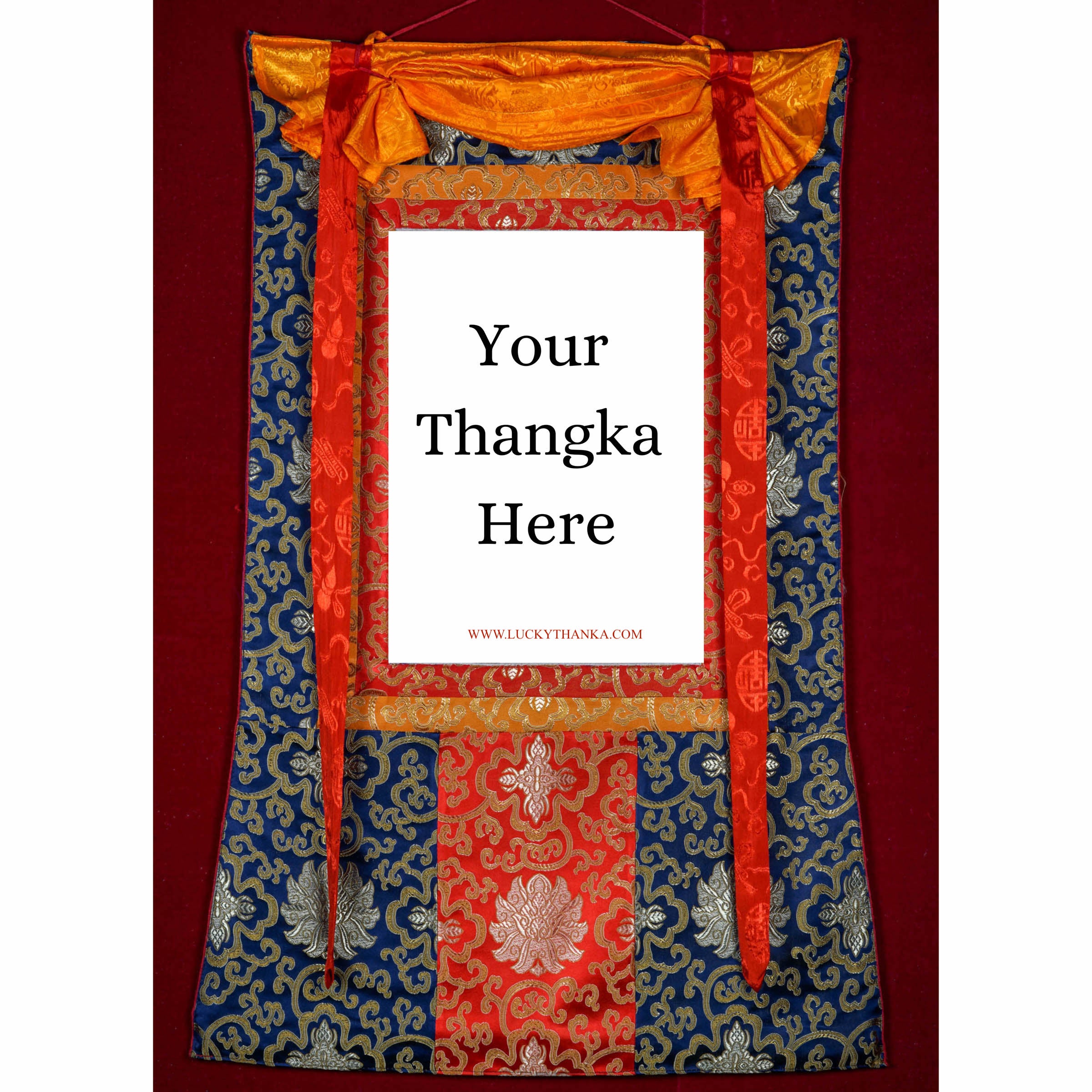
Want to add a Brocade to your beautiful Thangka Painting? Traditional Style Brocade has been one of the most popular form of mounting as it has a greater religious merit.
Note: Make sure you have added the Thangka to your cart first.
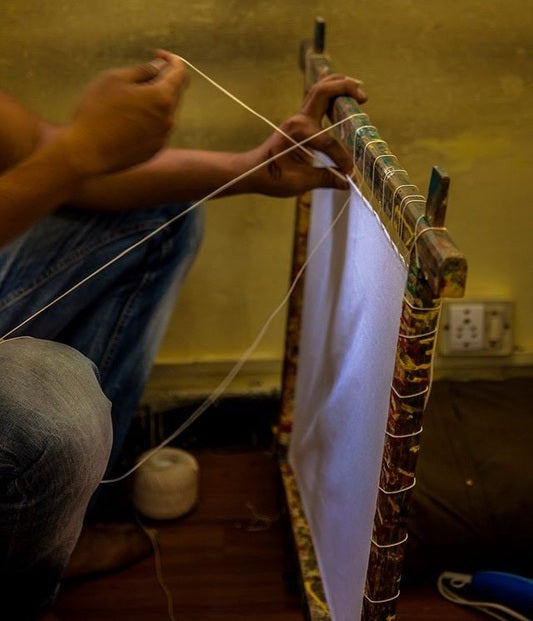
100% Cotton Canvas
Preparing the Cotton canvas before starting to paint a Thangka. This process includes washing, drying, stretching, sizing and everything needed to make a perfect base for the thangka to last for centuries.
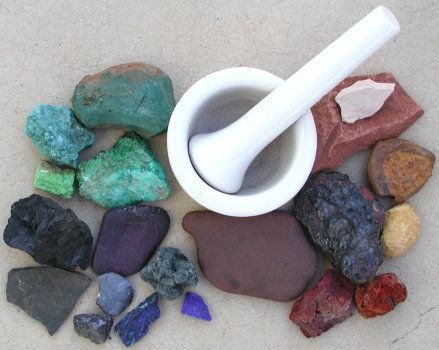
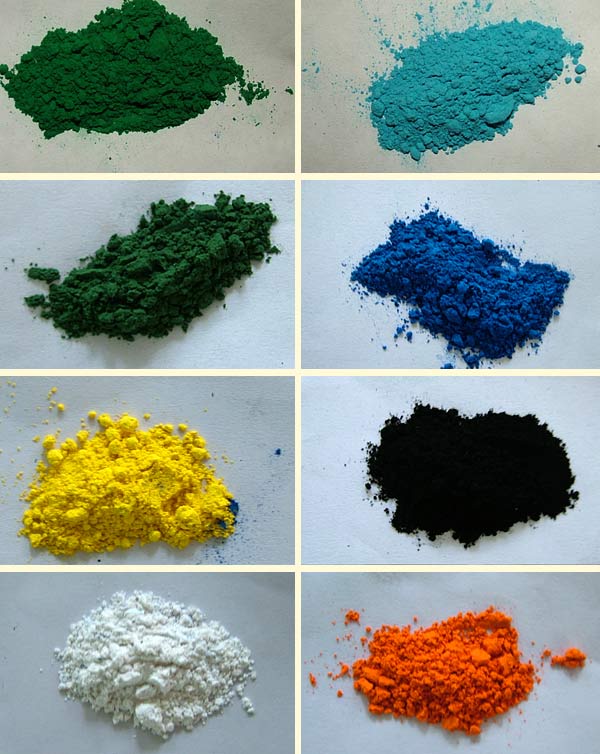
Natural Minerals
Thangka Paintings are painted using the natural minerals. These are firstly grind into the powder form and then used in the thangka as a paint.
Service and delivery of this first Mandala I bought from Lucky Thanka was really fast and the updates were brilliant. This Mandala is simply beautiful and I am so pleased with it.
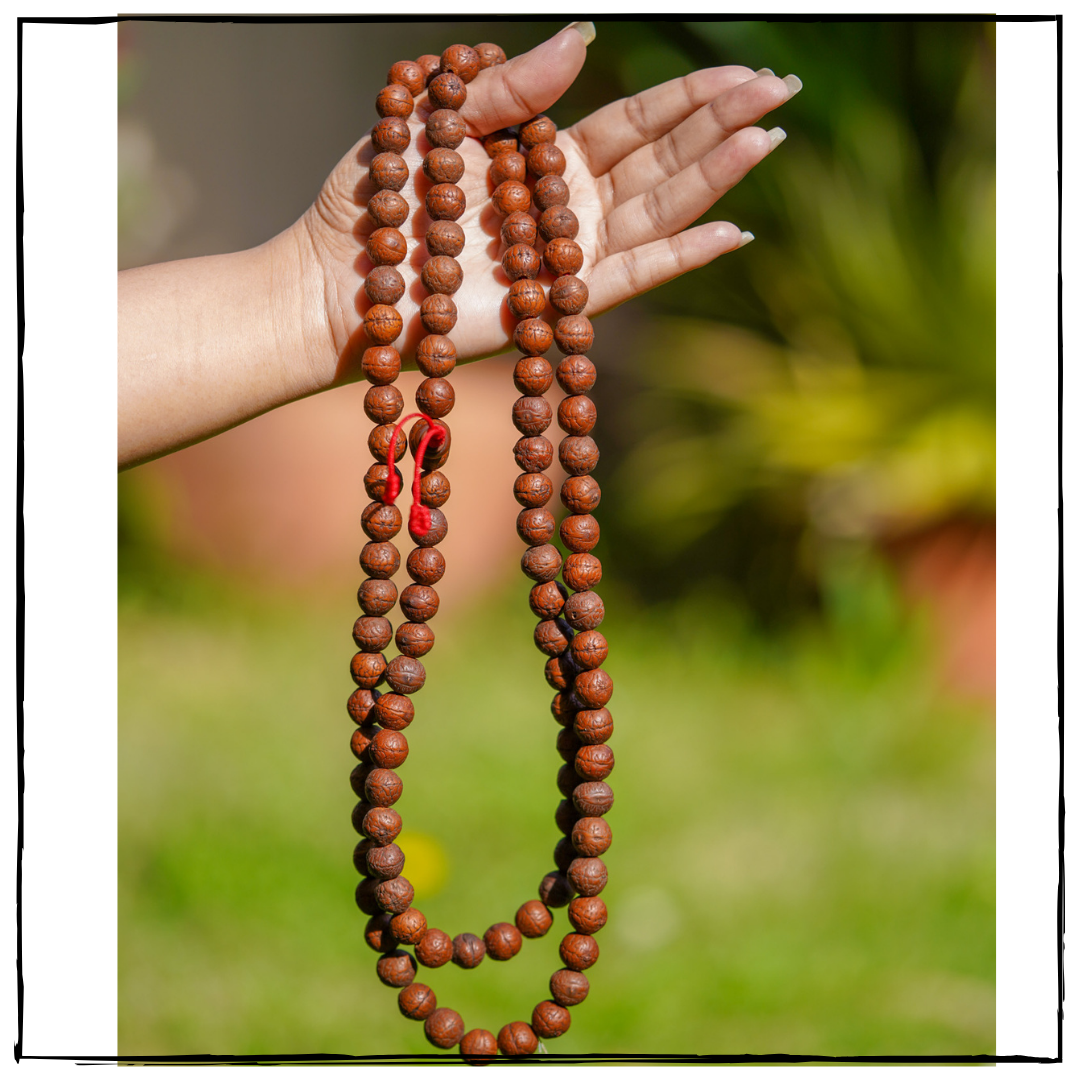
I am very happy with the quality of the seeds and i use it to count my mantra as it has 21 bodhi, which is so difficult to fine else where. Besides that Prateek’s impeccable service and advice is an incentive for me to purchase items from him. I will gladly recommend this website to you.
Great pleasure dealing with Lucky Thangka. Beautiful and well executed pieces. Very responsive and helpful staff. Highly recommended
Great quality heart chakra attuned bowl, fast postage and prompt replies from seller.