

White Parasol Tibetan Painting
Description
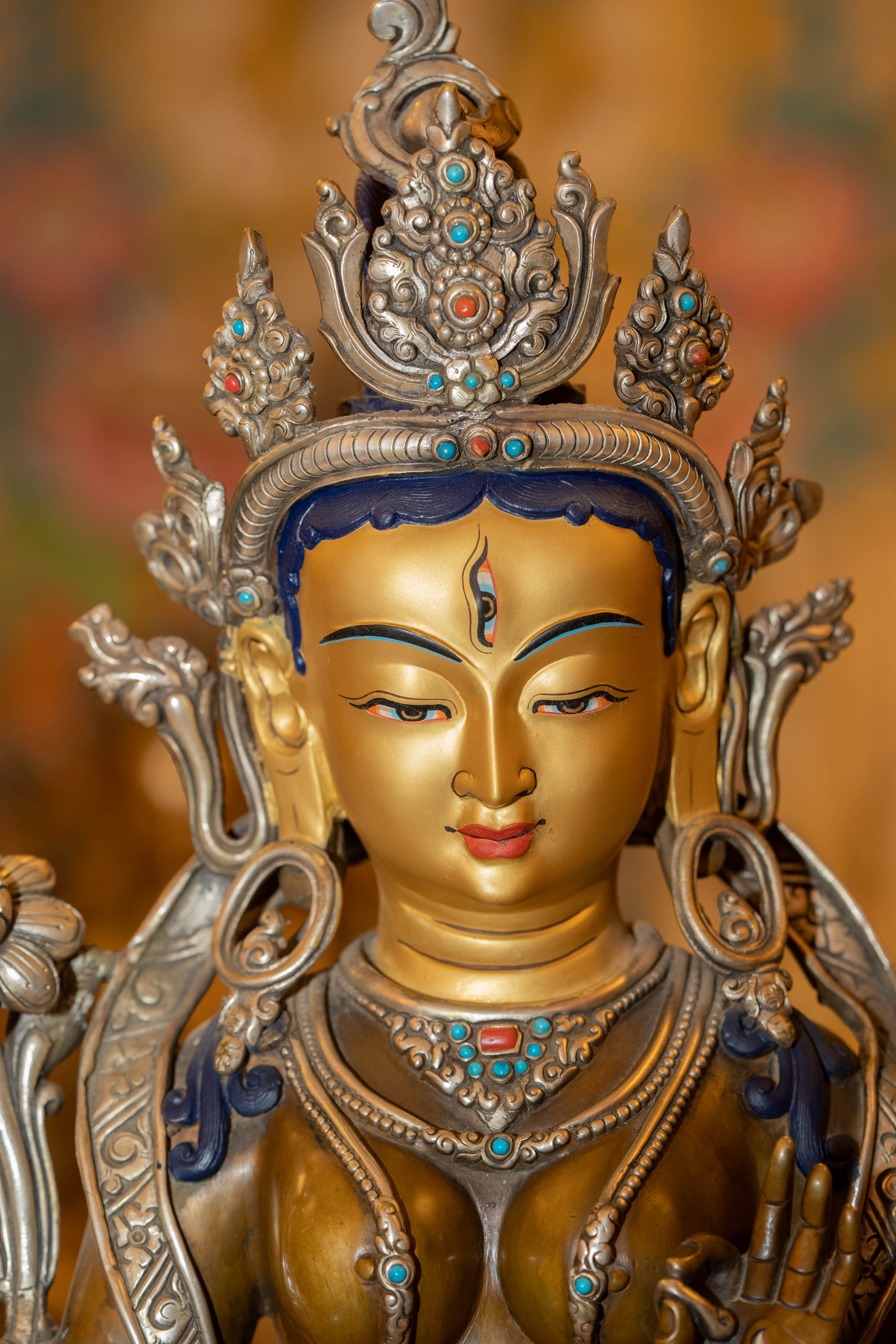
This Dukkar Thangka, also known as Sitatapatra or the White Parasol, is a sacred Tibetan Buddhist painting of a powerful female protector deity. Revered for removing obstacles, protecting from negative forces, and bestowing wisdom, she serves as a guardian for spiritual practitioners.
Painted in traditional Thangka style, Dukkar is depicted with multiple arms holding symbolic implements, each representing protection, purification, and spiritual power. Her fierce yet compassionate expression and dynamic posture convey the strength to overcome obstacles and safeguard practitioners.
This Thangka is painted with gold and natural mineral pigments, precise lines, and sacred geometry, giving it both spiritual significance and artistic brilliance. It radiates strength, compassion, and divine energy, making it ideal for meditation, spiritual practice, or display.
Symbolism and Meaning:
- White Parasol (Dukkar/Sitatapatra) – Protection from negative energies and obstacles
- Multiple Arms – Ability to act in many ways to protect and assist practitioners
- Flames and Sacred Symbols – Purification and transformation of harmful energies
- Smaller Protective Deities – Support and reinforcement of spiritual protection
- Gold and Jewel Tones – Divine illumination and sacred energy
Product Details:
- Hand-Painted
- Size: 110 cm x 150 cm
- Base: 100% Pure Cotton
-
Origin: Nepal

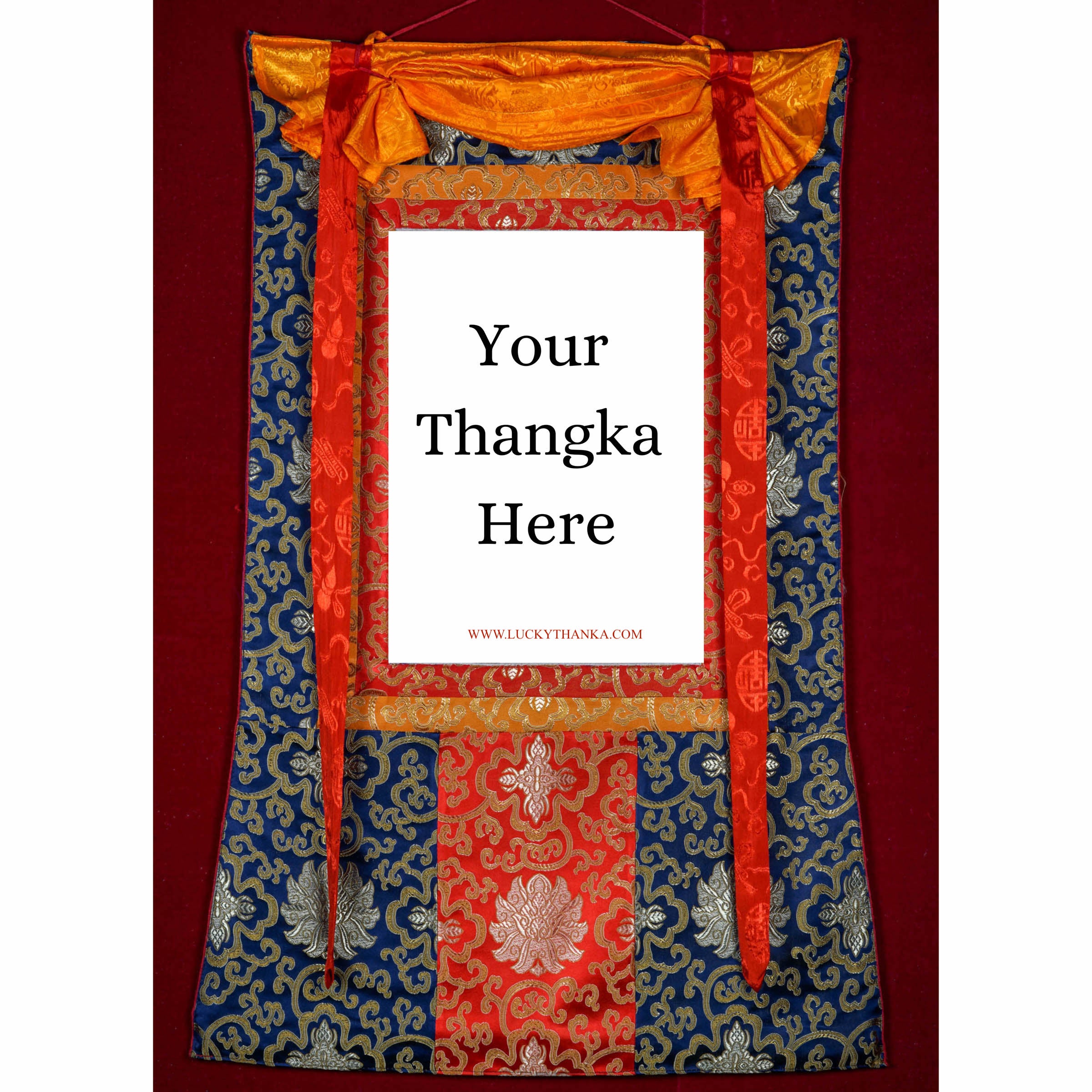
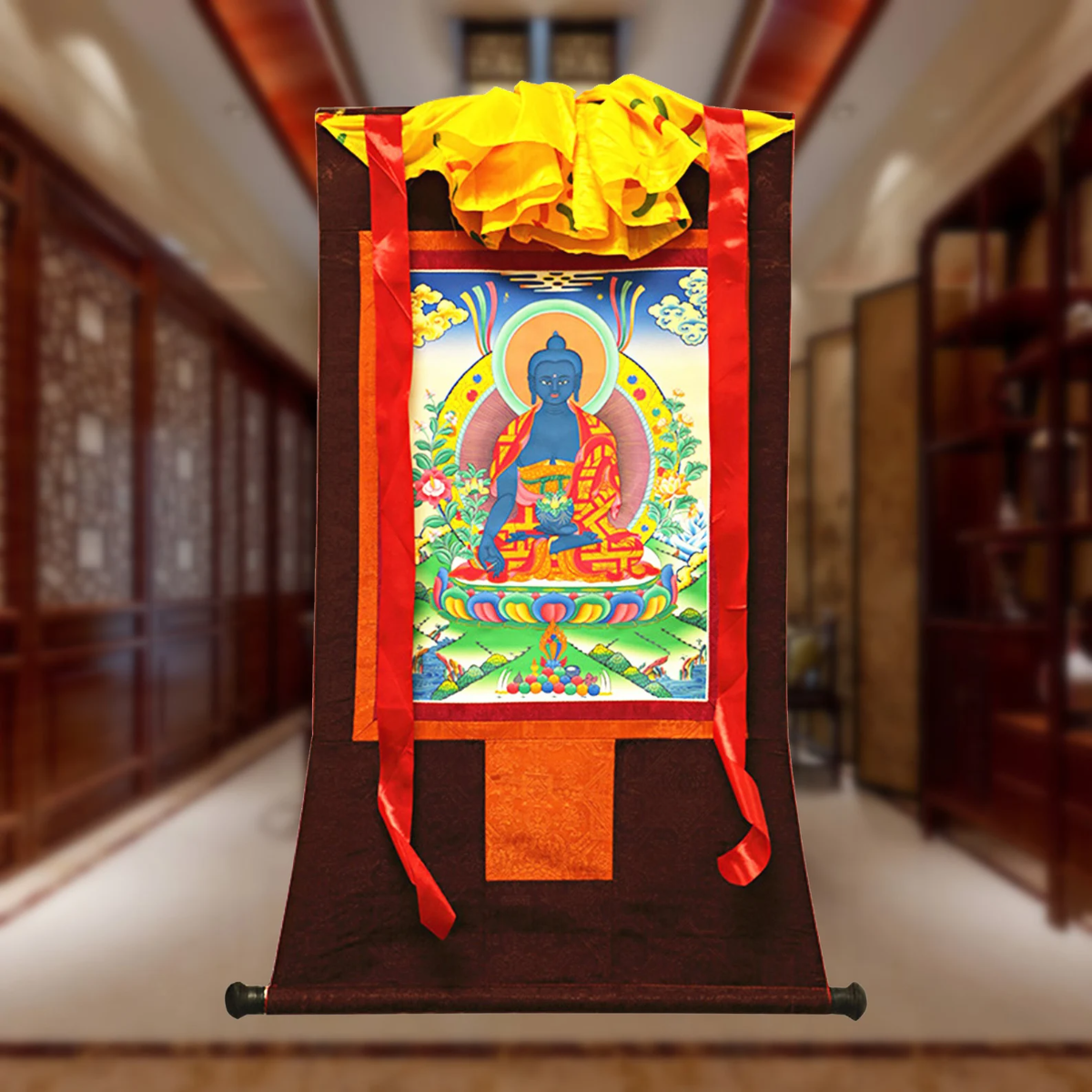
Hand Embroidery Brocade
Want to add a Brocade to your beautiful Thangka Painting? Traditional Style Brocade has been one of the most popular form of mounting as it has a greater religious merit.
Note: Make sure you have added the Thangka to your cart first.
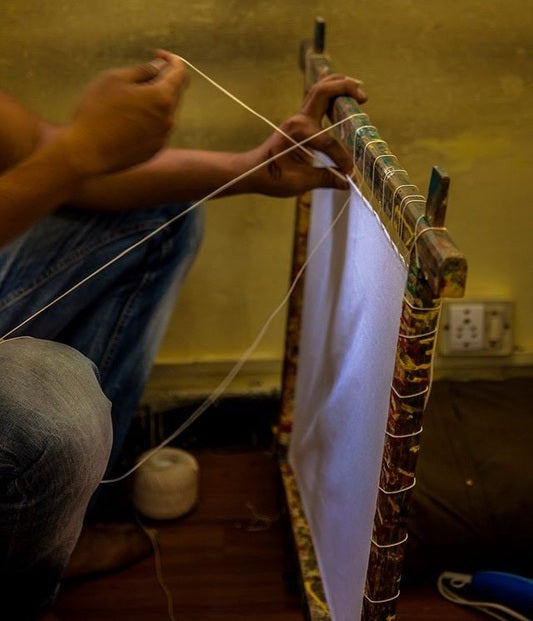
100% Cotton Canvas
Preparing the Cotton canvas before starting to paint a Thangka. This process includes washing, drying, stretching, sizing and everything needed to make a perfect base for the thangka to last for centuries.
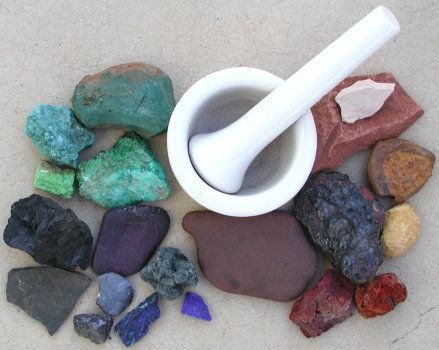
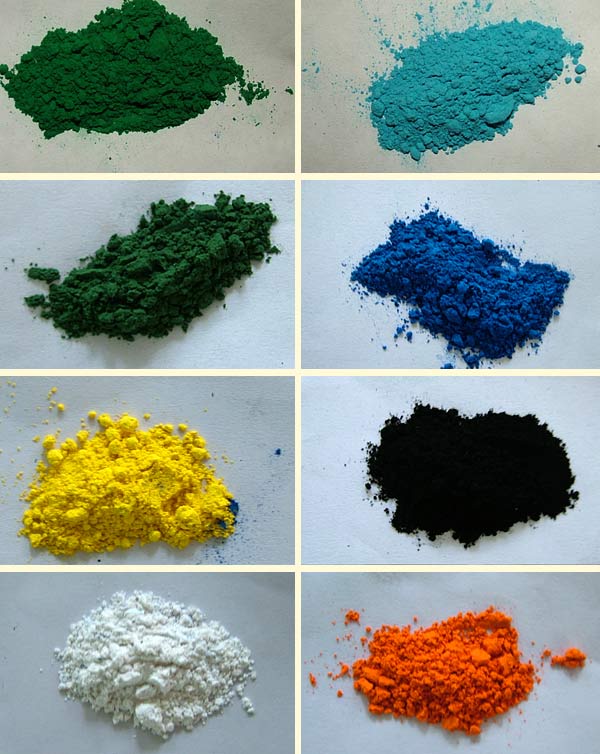
Natural Minerals
Thangka Paintings are painted using the natural minerals. These are firstly grind into the powder form and then used in the thangka as a paint.
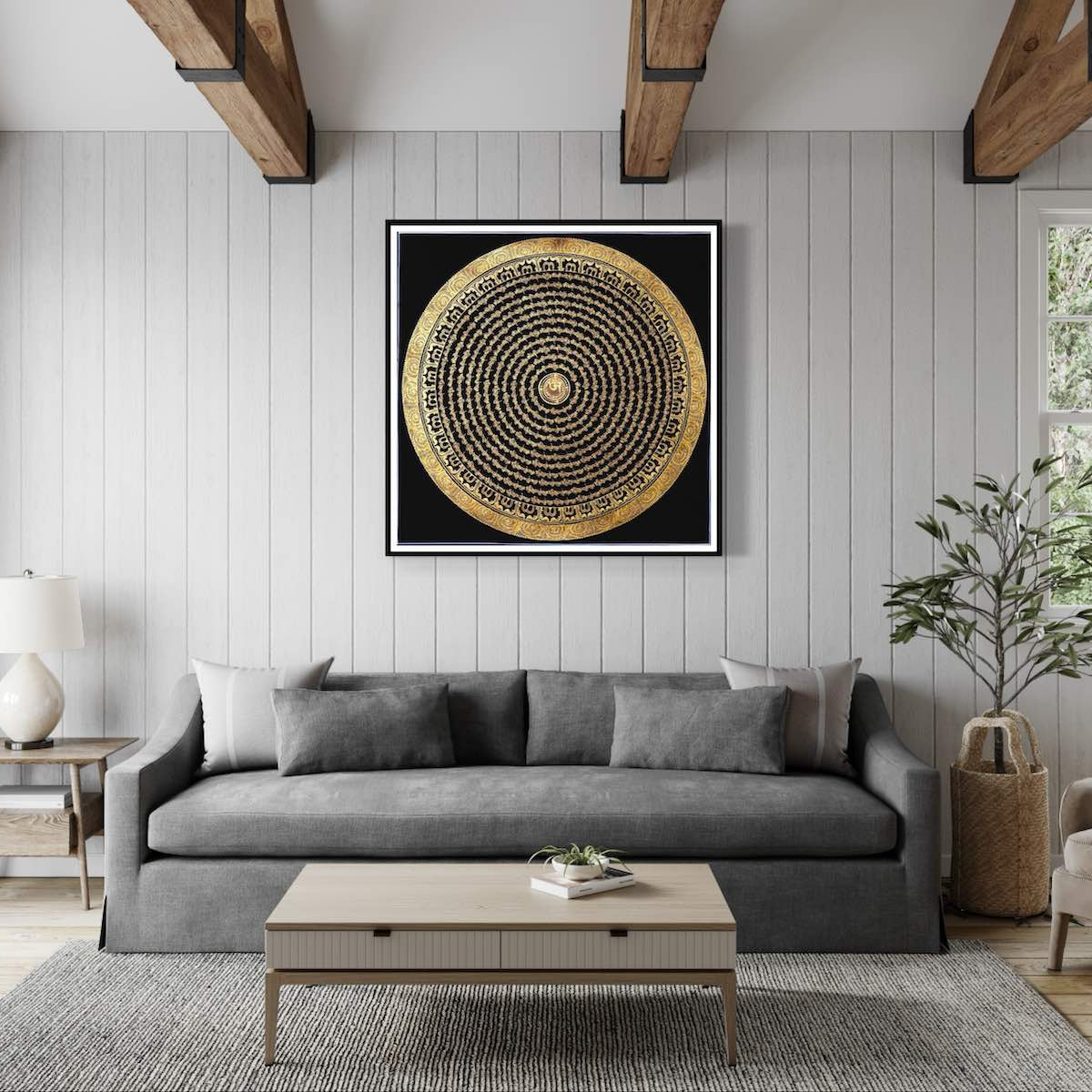
Service and delivery of this first Mandala I bought from Lucky Thanka was really fast and the updates were brilliant. This Mandala is simply beautiful and I am so pleased with it.
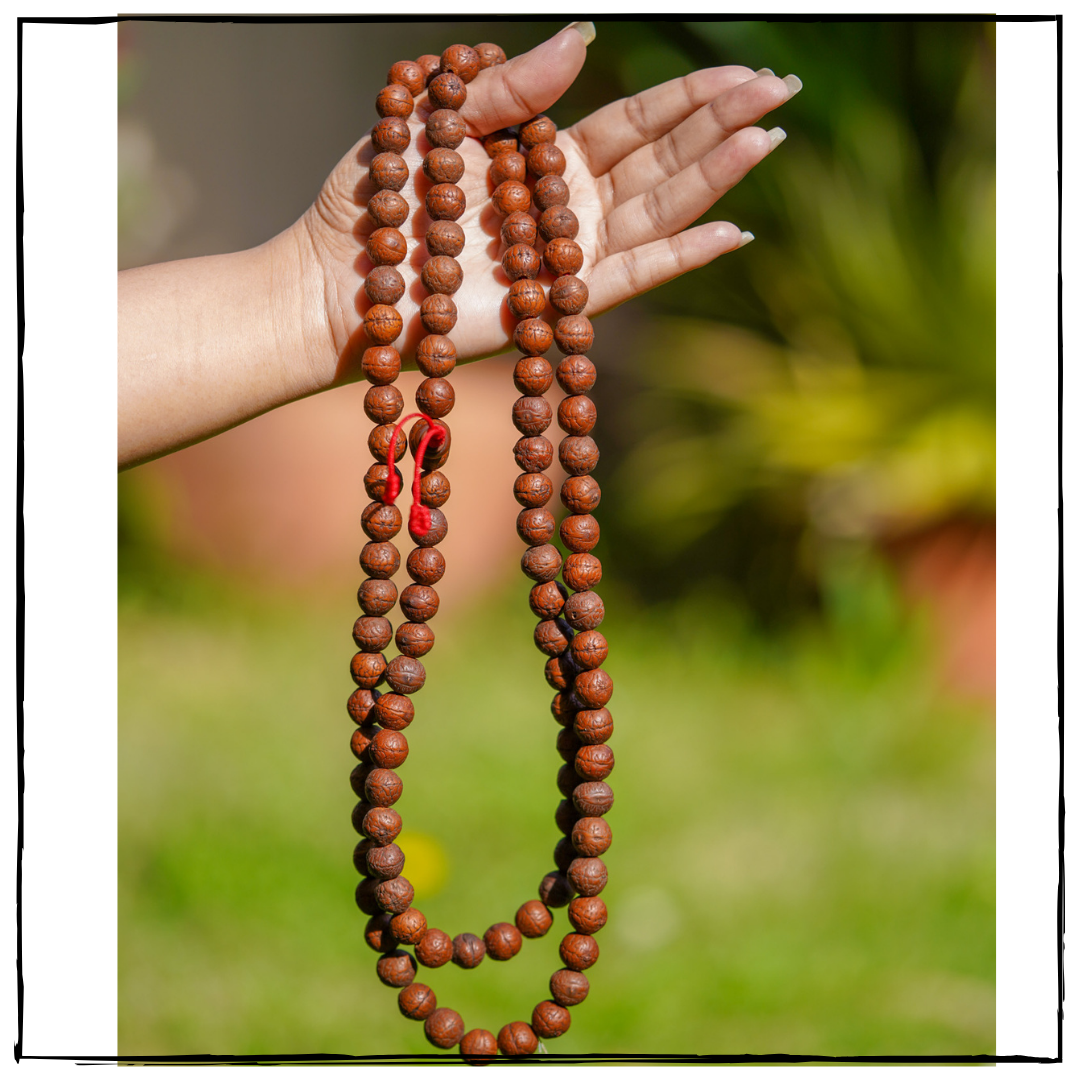
I am very happy with the quality of the seeds and i use it to count my mantra as it has 21 bodhi, which is so difficult to fine else where. Besides that Prateek’s impeccable service and advice is an incentive for me to purchase items from him. I will gladly recommend this website to you.
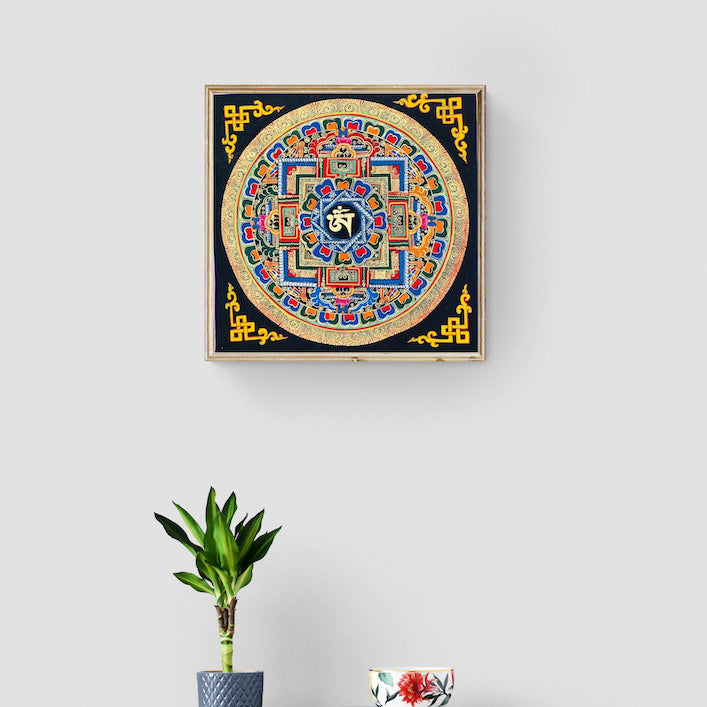
Great pleasure dealing with Lucky Thangka. Beautiful and well executed pieces. Very responsive and helpful staff. Highly recommended
Great quality heart chakra attuned bowl, fast postage and prompt replies from seller.