

Zambala Thangka – Deity of Fortune & Abundance
Description
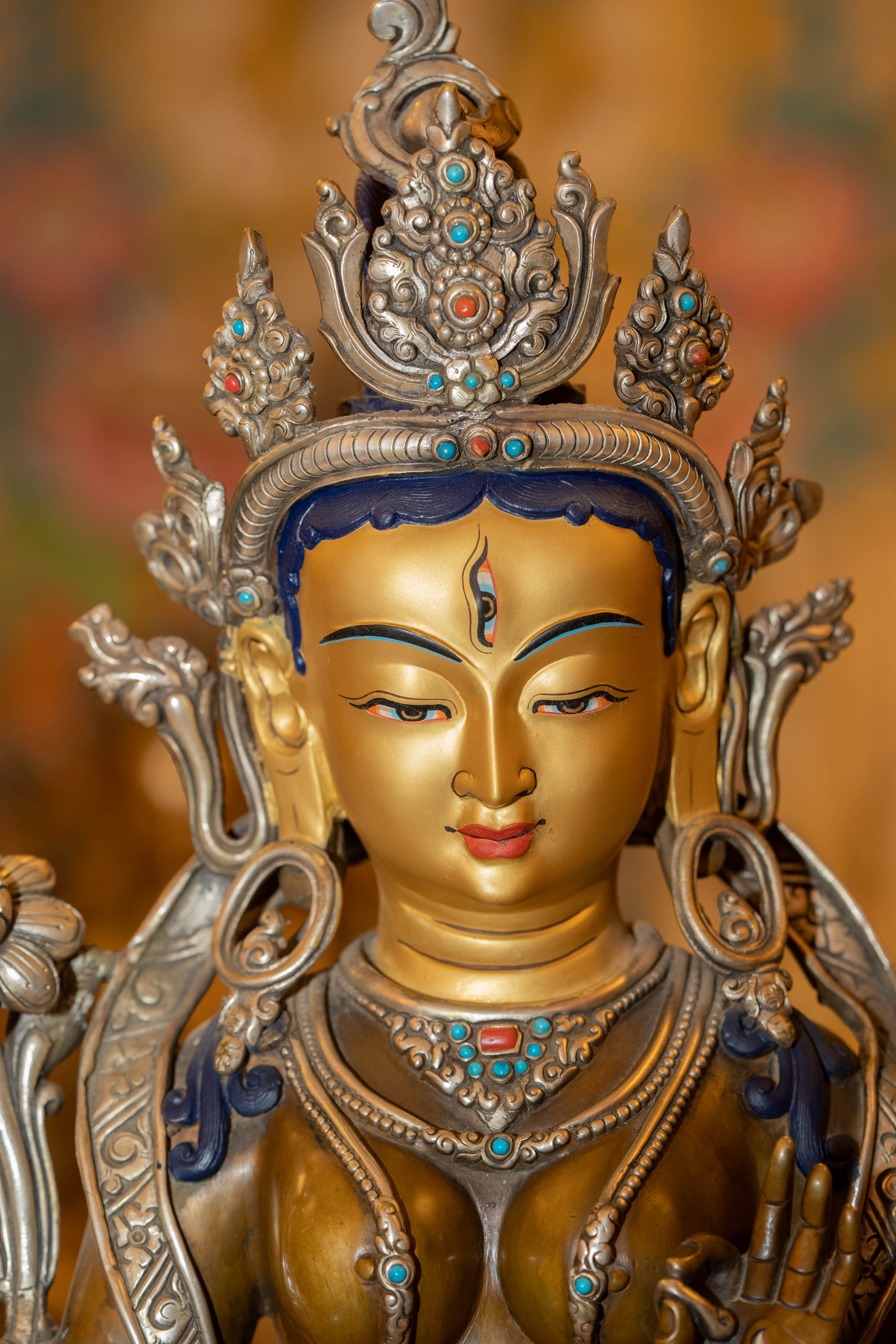
This Zambala Thangka is a hand-painted masterpiece on premium cotton canvas, crafted by skilled Nepalese artisans using vibrant mineral pigments. Every detail, from Zambala’s radiant golden complexion to the intricate lotus and cloud patterns, reflects both artistic mastery and spiritual significance. Ideal for meditation, altar display, or as a sacred art piece, it embodies prosperity, generosity, and divine blessings.
Zambala (also Jambhala or Dzambhala), guardian of wealth and spiritual abundance, is depicted seated on a multicolored lotus throne, holding a mongoose symbolizing the endless flow of prosperity. The luminous golden hue radiates generosity, while the intricate background signifies purity, protection, and celestial harmony. This Thangka inspires both material abundance and spiritual well-being, making it a meaningful addition to any home temple, meditation space, or art collection.
Symbolism & Meaning
- Zambala: Wealth, prosperity, and spiritual abundance
- Mongoose Spouting Jewels: Continuous material and spiritual flow
- Golden Complexion: Generosity and blessings
- Lotus Throne & Flowers: Purity, enlightenment, harmony
- Naga & Swirling Clouds: Protection, divine energy, celestial presence
Product Details
- Type: Hand-painted Thangka
- Size: 45 cm × 60 cm
- Base: High-quality cotton canvas
- Origin: Crafted in Nepal by skilled artisans

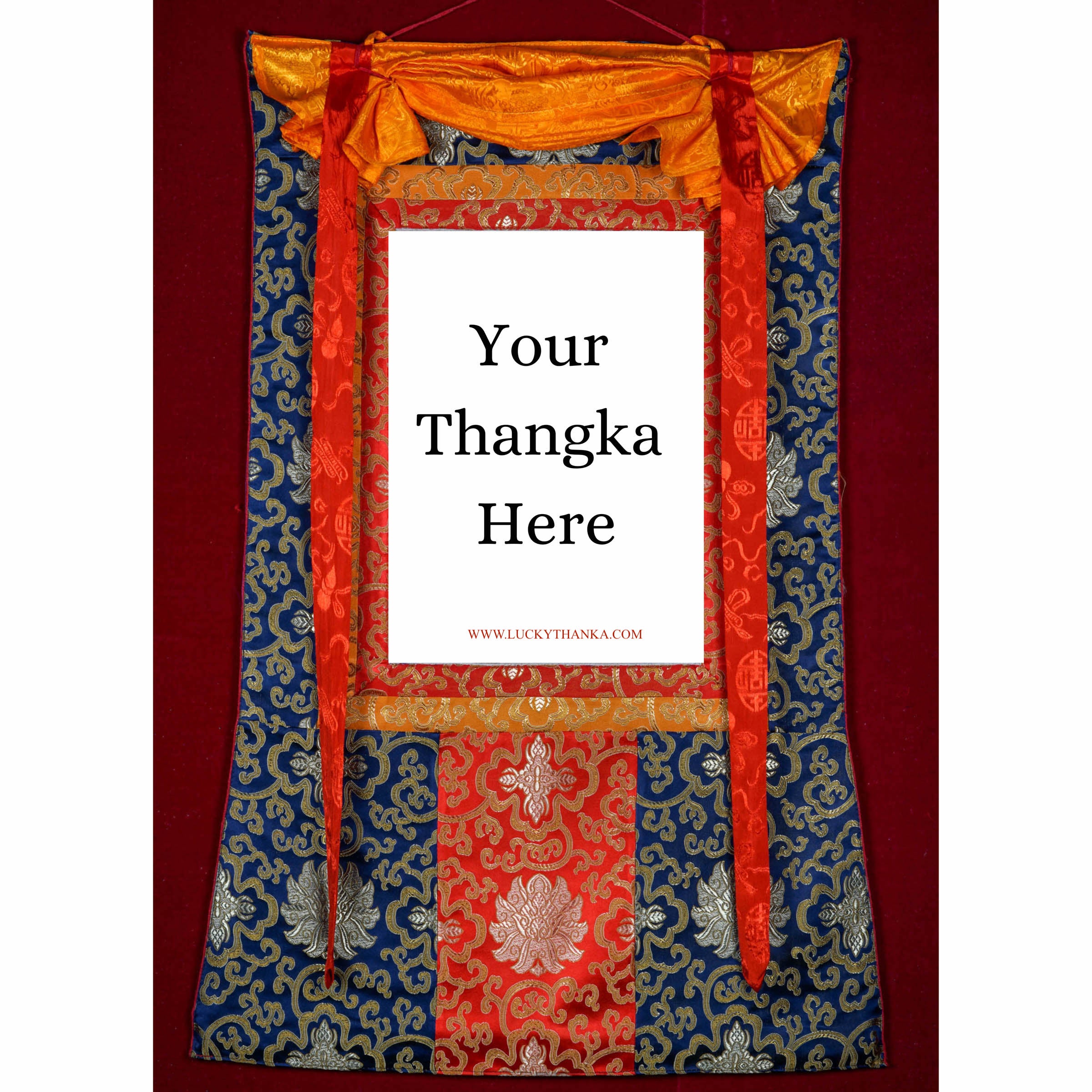
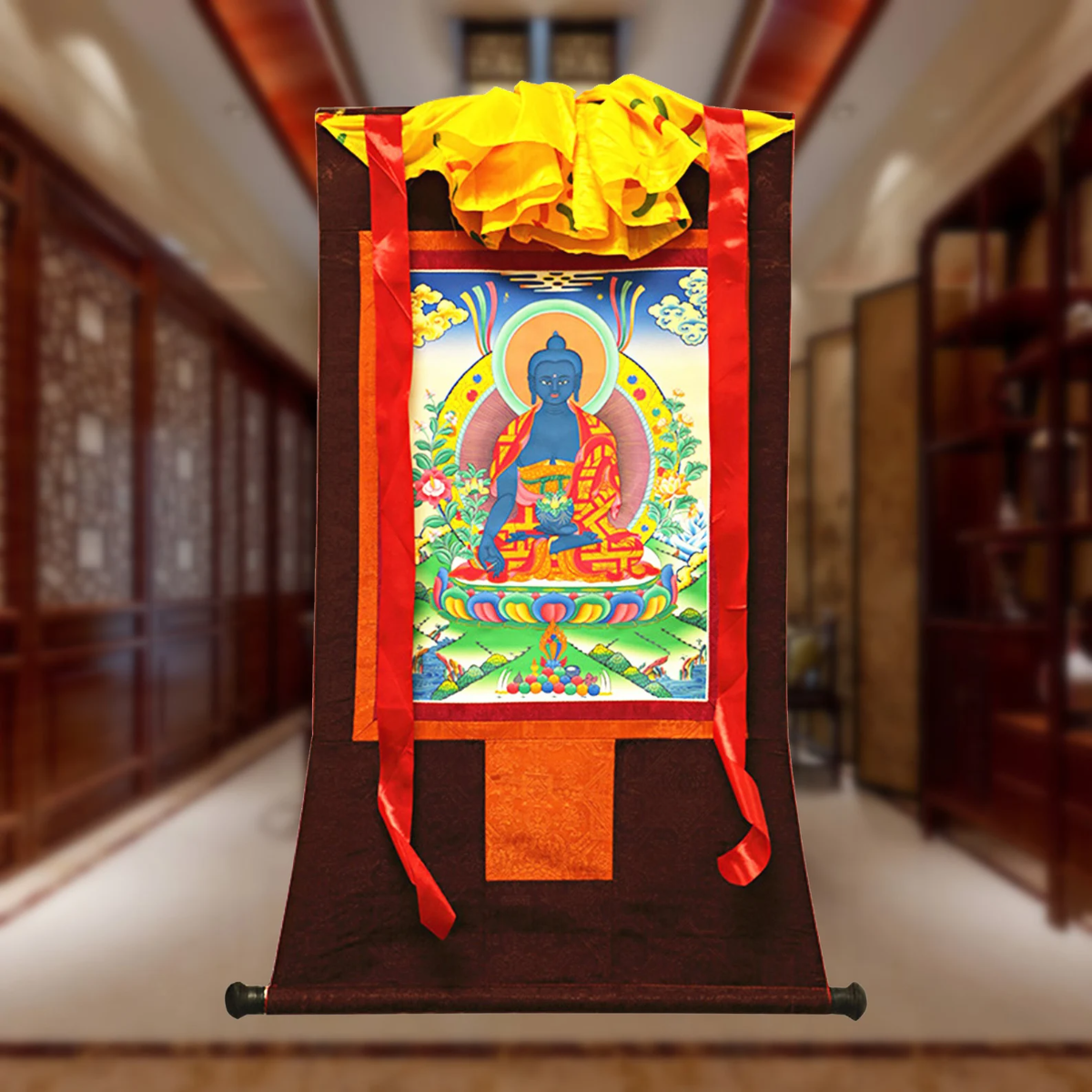
Hand Embroidery Brocade
Want to add a Brocade to your beautiful Thangka Painting? Traditional Style Brocade has been one of the most popular form of mounting as it has a greater religious merit.
Note: Make sure you have added the Thangka to your cart first.
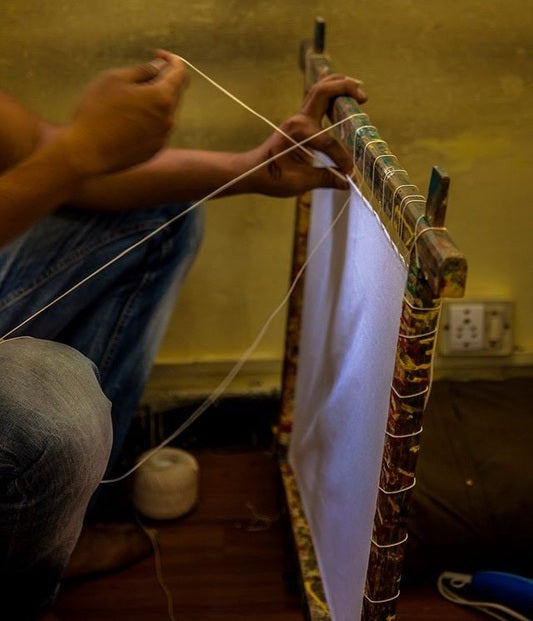
100% Cotton Canvas
Preparing the Cotton canvas before starting to paint a Thangka. This process includes washing, drying, stretching, sizing and everything needed to make a perfect base for the thangka to last for centuries.
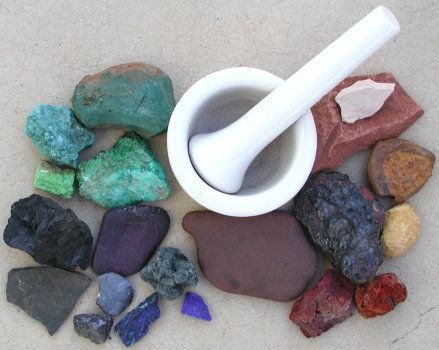
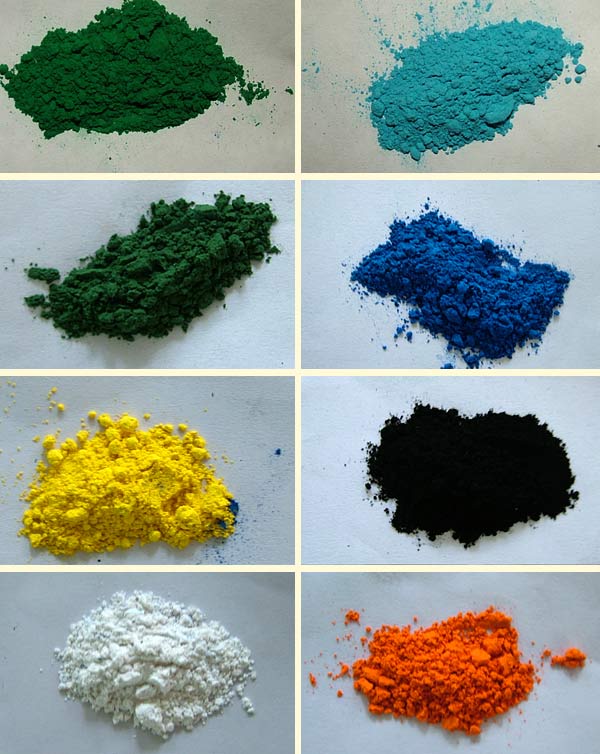
Natural Minerals
Thangka Paintings are painted using the natural minerals. These are firstly grind into the powder form and then used in the thangka as a paint.
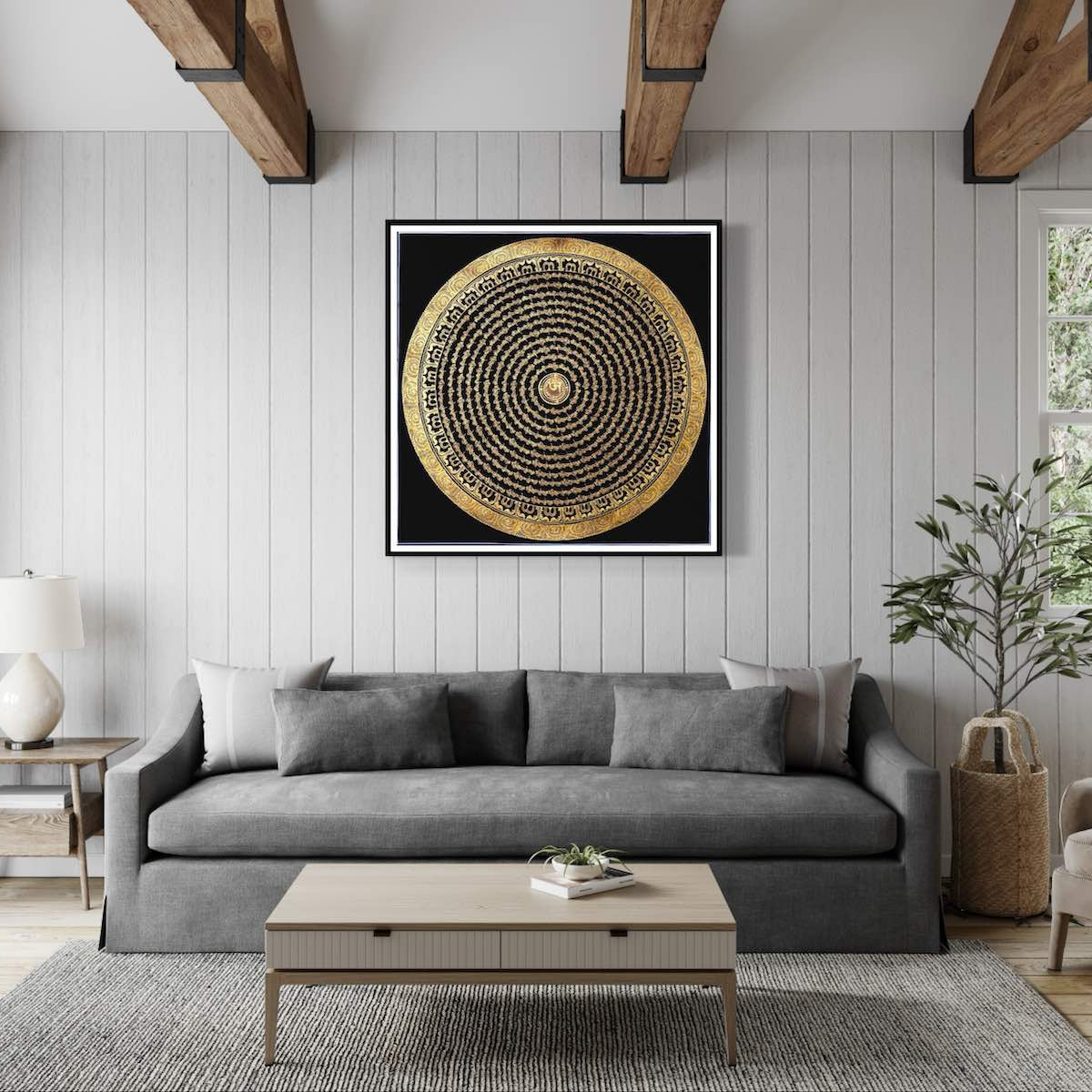
Service and delivery of this first Mandala I bought from Lucky Thanka was really fast and the updates were brilliant. This Mandala is simply beautiful and I am so pleased with it.
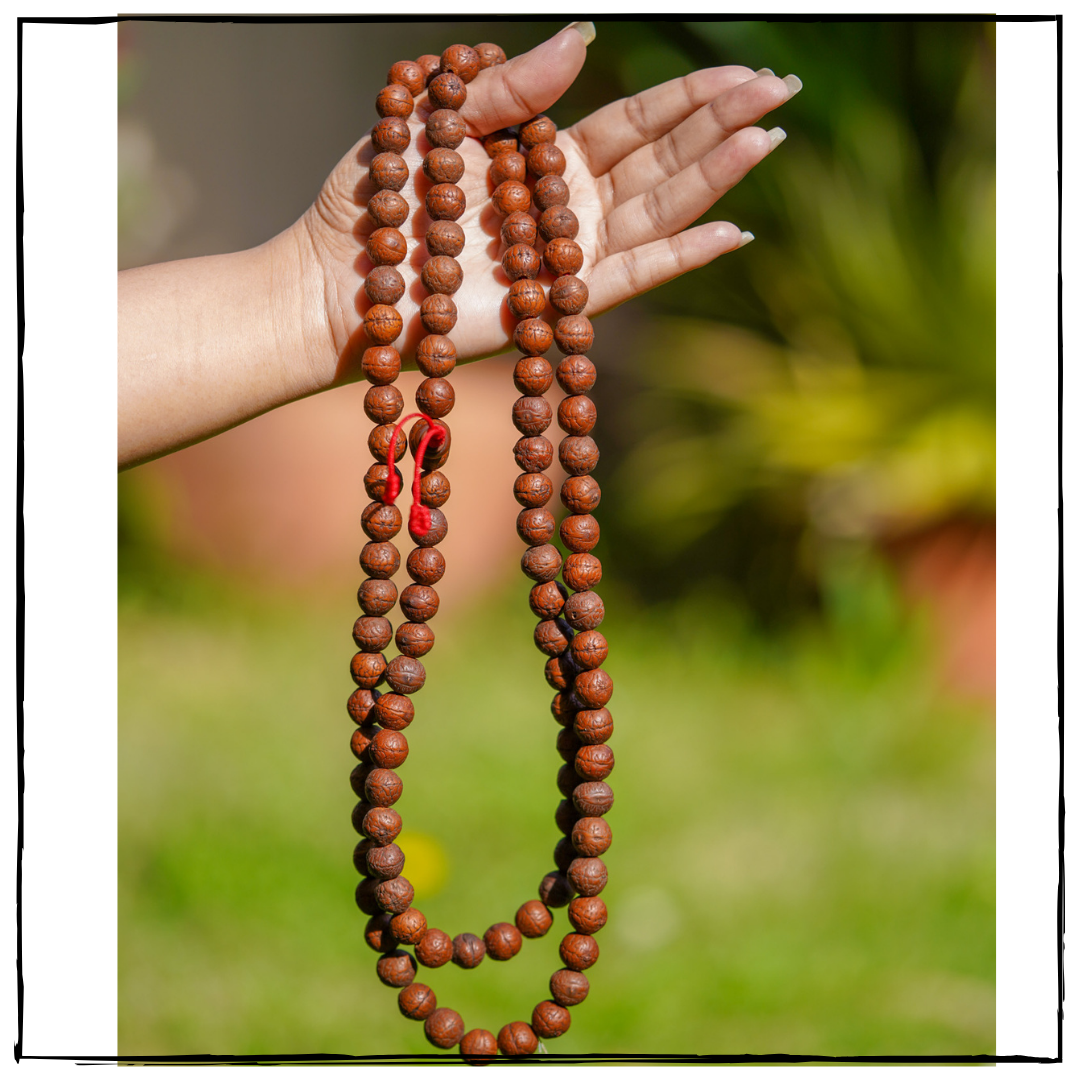
I am very happy with the quality of the seeds and i use it to count my mantra as it has 21 bodhi, which is so difficult to fine else where. Besides that Prateek’s impeccable service and advice is an incentive for me to purchase items from him. I will gladly recommend this website to you.
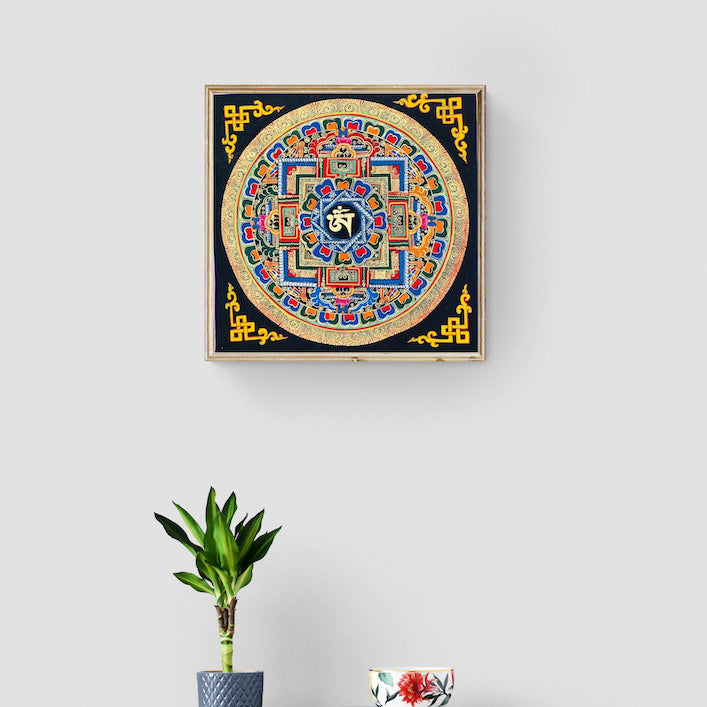
Great pleasure dealing with Lucky Thangka. Beautiful and well executed pieces. Very responsive and helpful staff. Highly recommended
Great quality heart chakra attuned bowl, fast postage and prompt replies from seller.