

Wheel of Life (Bhavachakra) Thangka
Description
The Wheel of Life (Bhavachakra) Thangka is a hand-painted artwork from Nepal that illustrates Buddhist concepts of life, death, karma, and rebirth. Created with natural mineral pigments and gold, it serves as both a meditation aid and teaching tool, helping to deepen understanding of samsara and the path to liberation. Perfect for meditation spaces, Dharma centers, or as a meaningful gift.
At the center of the wheel are the three root poisons - ignorance, attachment, and anger symbolizing the forces that keep beings trapped in the cycle of rebirth. Surrounding them are the six realms of existence, each reflecting a state of mind and karmic result. The outer rim portrays the twelve links of dependent origination, illustrating how all phenomena arise through cause and effect. The entire wheel is held by Yama, the Lord of Death, a powerful reminder of impermanence and the transient nature of life.
Symbolism & Meaning:
- Three Poisons (Center) – Ignorance, attachment, and anger drive the cycle of suffering.
- Six Realms – Represent the different states of existence shaped by karma.
- Twelve Links – Show the chain of causes leading to rebirth and suffering.
- Yama, Lord of Death – Reminds us of impermanence and the urgency of spiritual practice.
- The Buddha Outside the Wheel – Points toward liberation through awakening and mindfulness.
Product Description:
- Hand Painted
- Size: 46 cm × 61 cm
- Base: 100% pure cotton
- Origination: Nepal

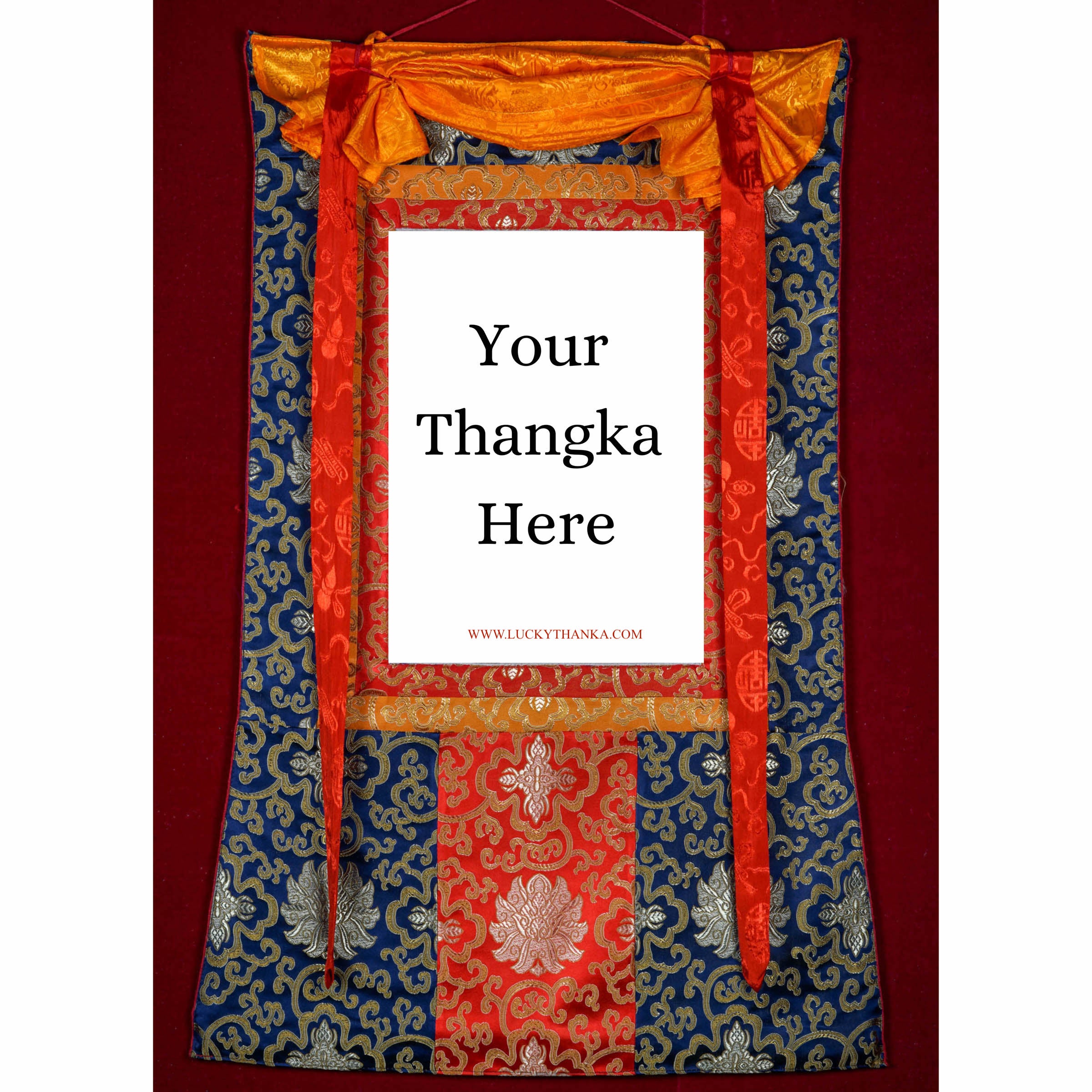
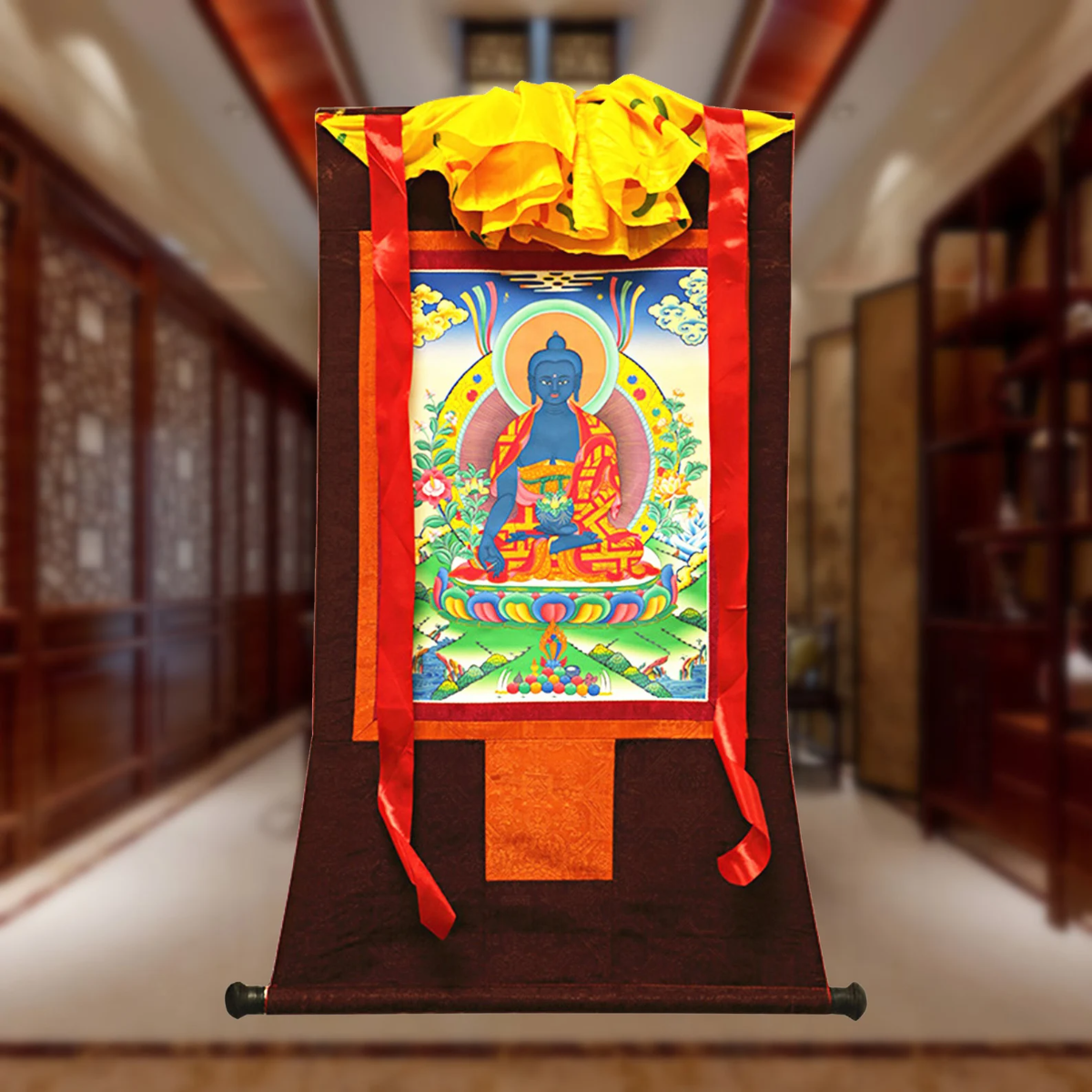
Hand Embroidery Brocade
Want to add a Brocade to your beautiful Thangka Painting? Traditional Style Brocade has been one of the most popular form of mounting as it has a greater religious merit.
Note: Make sure you have added the Thangka to your cart first.
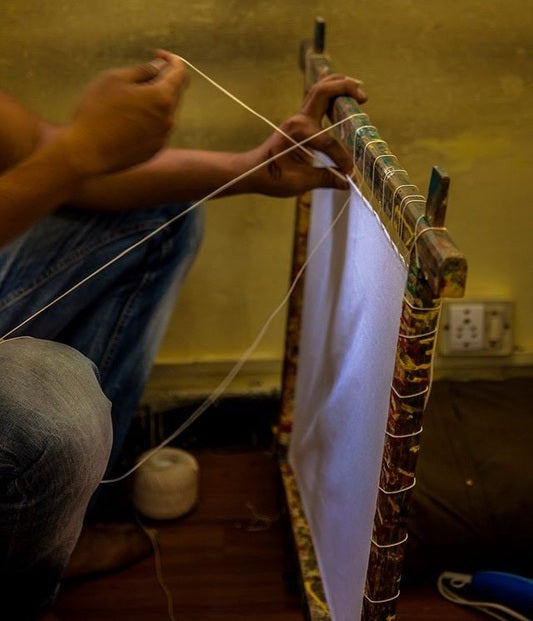
100% Cotton Canvas
Preparing the Cotton canvas before starting to paint a Thangka. This process includes washing, drying, stretching, sizing and everything needed to make a perfect base for the thangka to last for centuries.
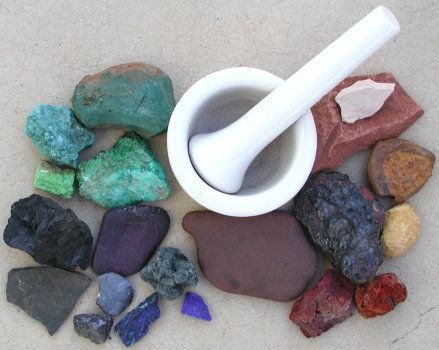
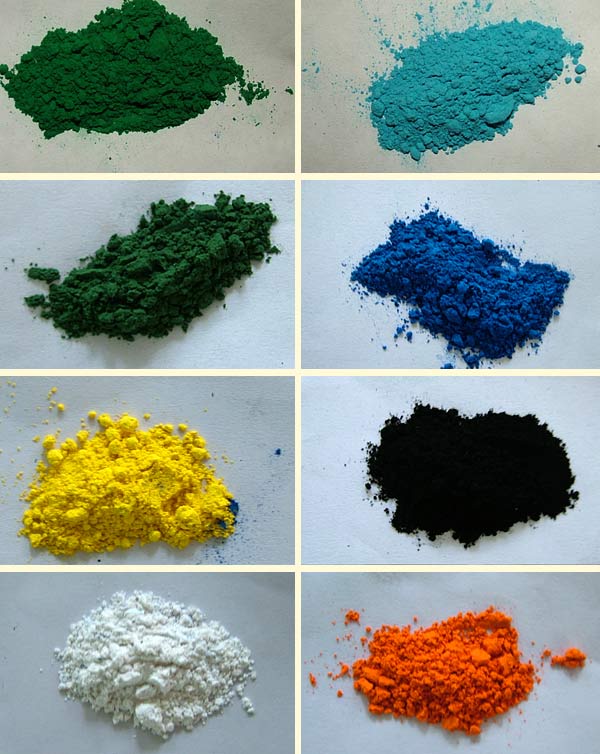
Natural Minerals
Thangka Paintings are painted using the natural minerals. These are firstly grind into the powder form and then used in the thangka as a paint.
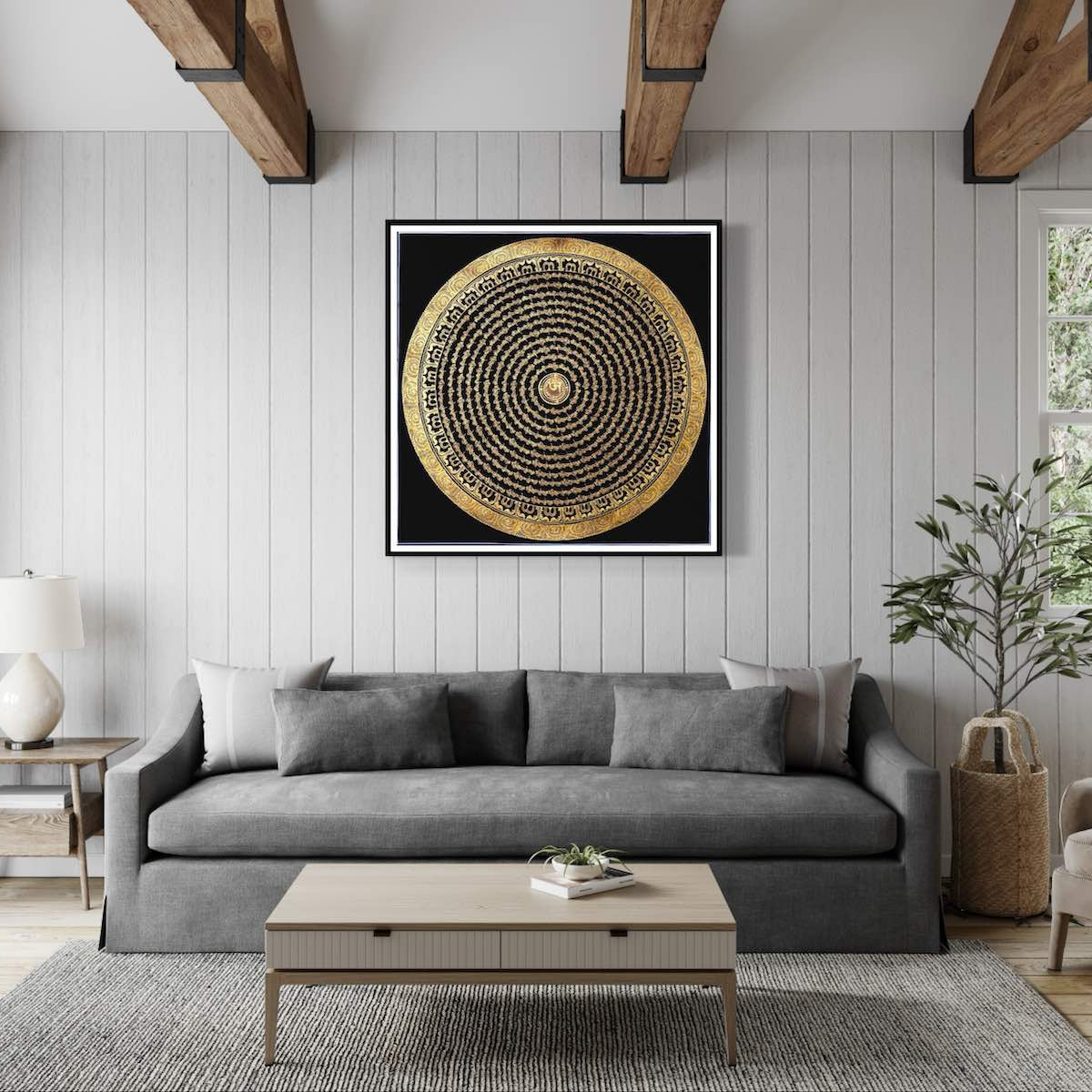
Service and delivery of this first Mandala I bought from Lucky Thanka was really fast and the updates were brilliant. This Mandala is simply beautiful and I am so pleased with it.
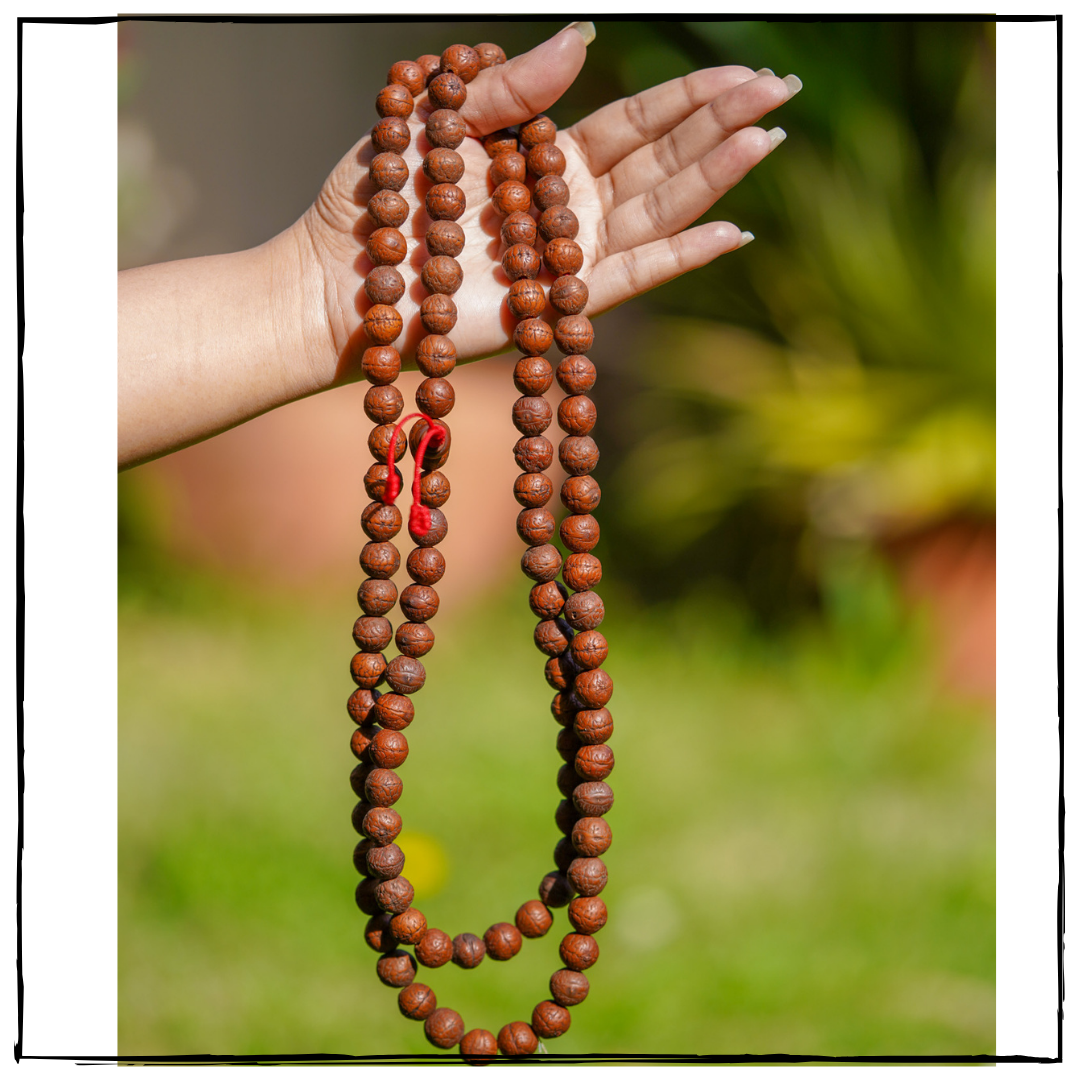
I am very happy with the quality of the seeds and i use it to count my mantra as it has 21 bodhi, which is so difficult to fine else where. Besides that Prateek’s impeccable service and advice is an incentive for me to purchase items from him. I will gladly recommend this website to you.
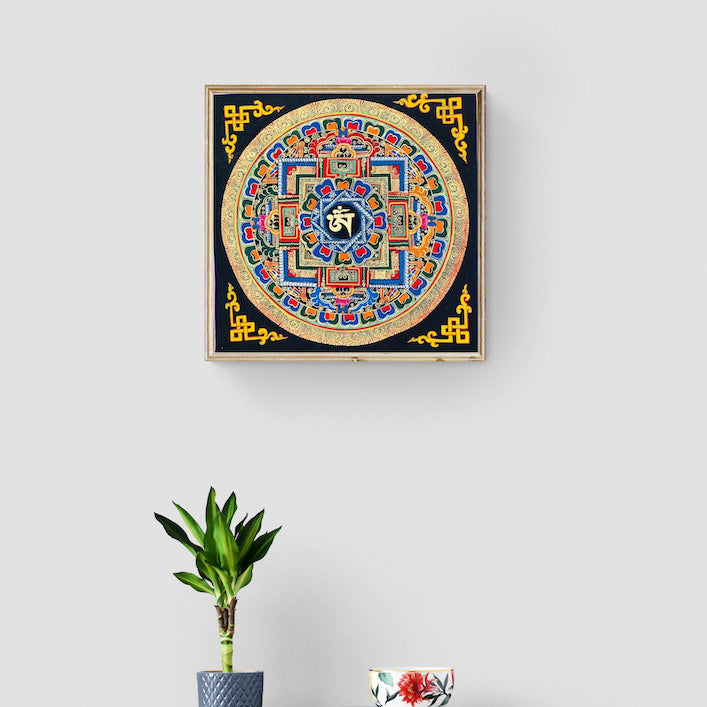
Great pleasure dealing with Lucky Thangka. Beautiful and well executed pieces. Very responsive and helpful staff. Highly recommended
Great quality heart chakra attuned bowl, fast postage and prompt replies from seller.