

Zambhala Mandala Thangka Painting
Description
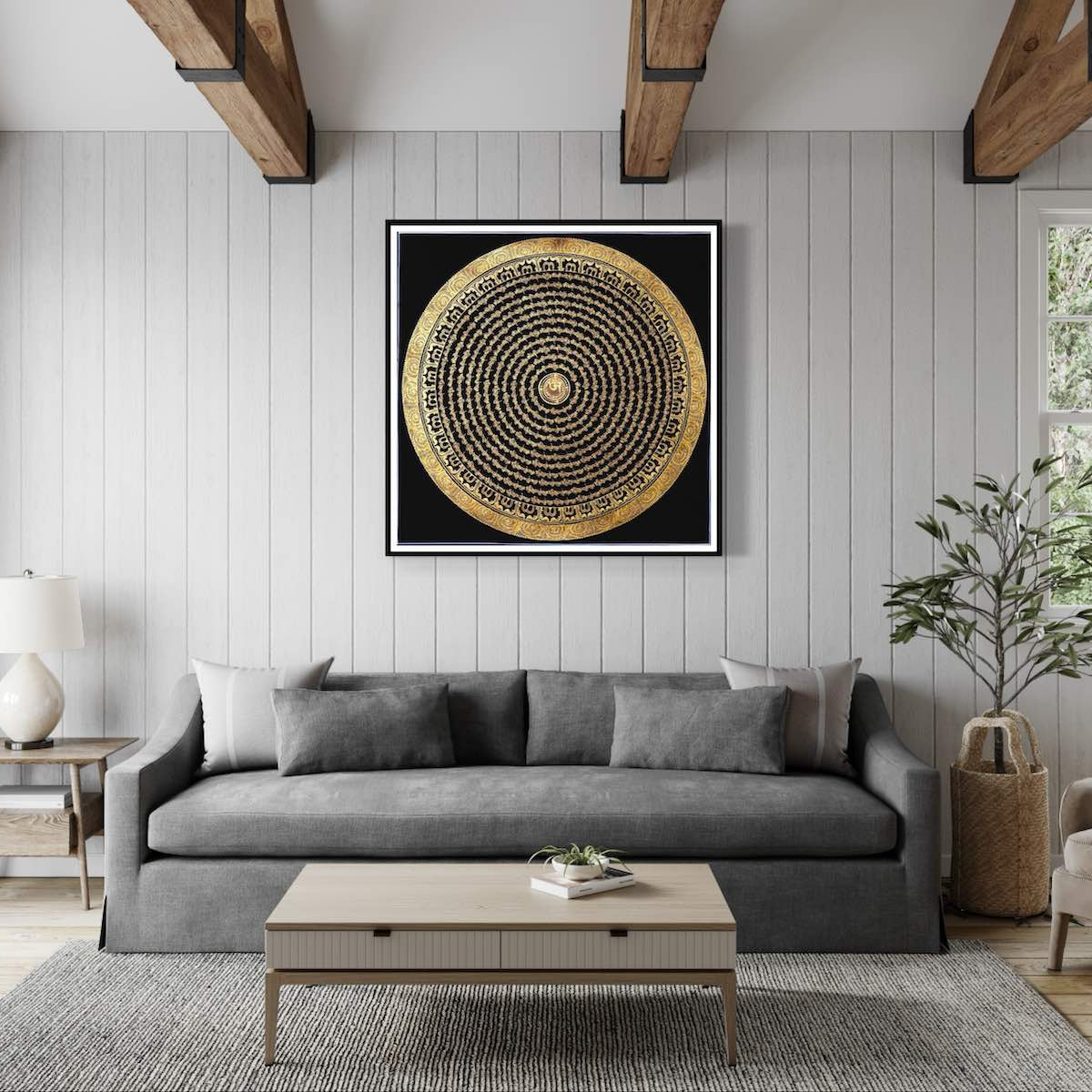
The Zambhala Mandala is a sacred representation in Tibetan Buddhism associated with Dzambhala (Jambhala), the deity of prosperity, generosity, and spiritual wealth. This mandala symbolizes the balance between material abundance and spiritual fulfillment, reminding practitioners that true prosperity arises through compassion and wisdom.
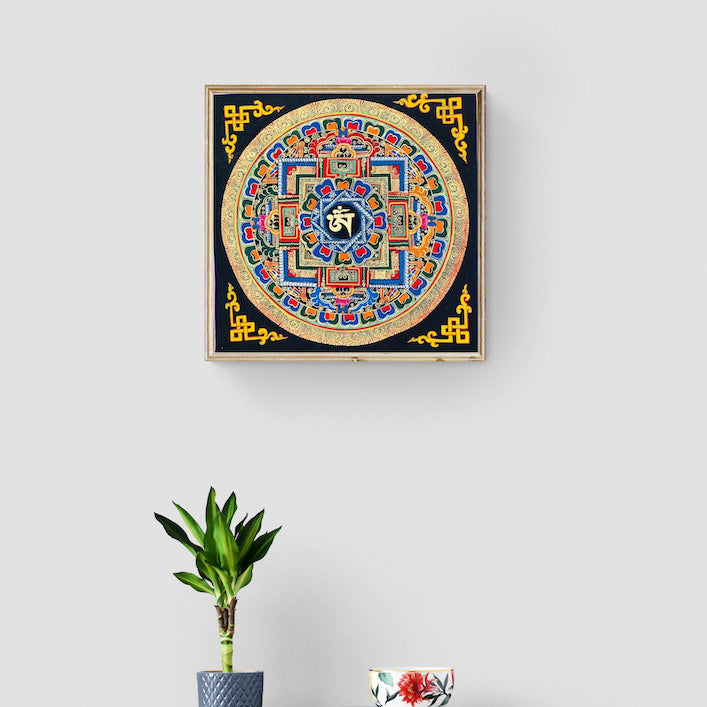
At the center of the mandala sits Yellow Zambhala, revered as the guardian of wealth and good fortune. Surrounded by intricate sacred geometry, lotus motifs, and protective symbols, the mandala represents the spiritual palace of the deity and the cosmic harmony of enlightened prosperity.
Traditionally used in meditation and spiritual practice, the Zambhala Mandala serves as a visual guide for cultivating generosity, removing poverty of the mind, and inviting positive energy into ones life.
Symbolism and Meaning :
- Zambhala at the Center Symbol of prosperity, generosity, and protective abundance.
- Sacred Mandala Structure Represents cosmic order and spiritual grounding.
- Four Directional Gates Symbolic entry points to wisdom and balance.
- Detailed Gold Earth Tones Traditional palette reflecting stability and richness.
- Hand-Painted Traditional Artwork Created by artisans in Nepal.
- Cotton Canvas Base Durable and suitable for long-term preservation.
Product Specifications
- Hand Painted
- Size: 50 cm x 50 cm
- Base: Cotton Canvas
- Origin: Nepal

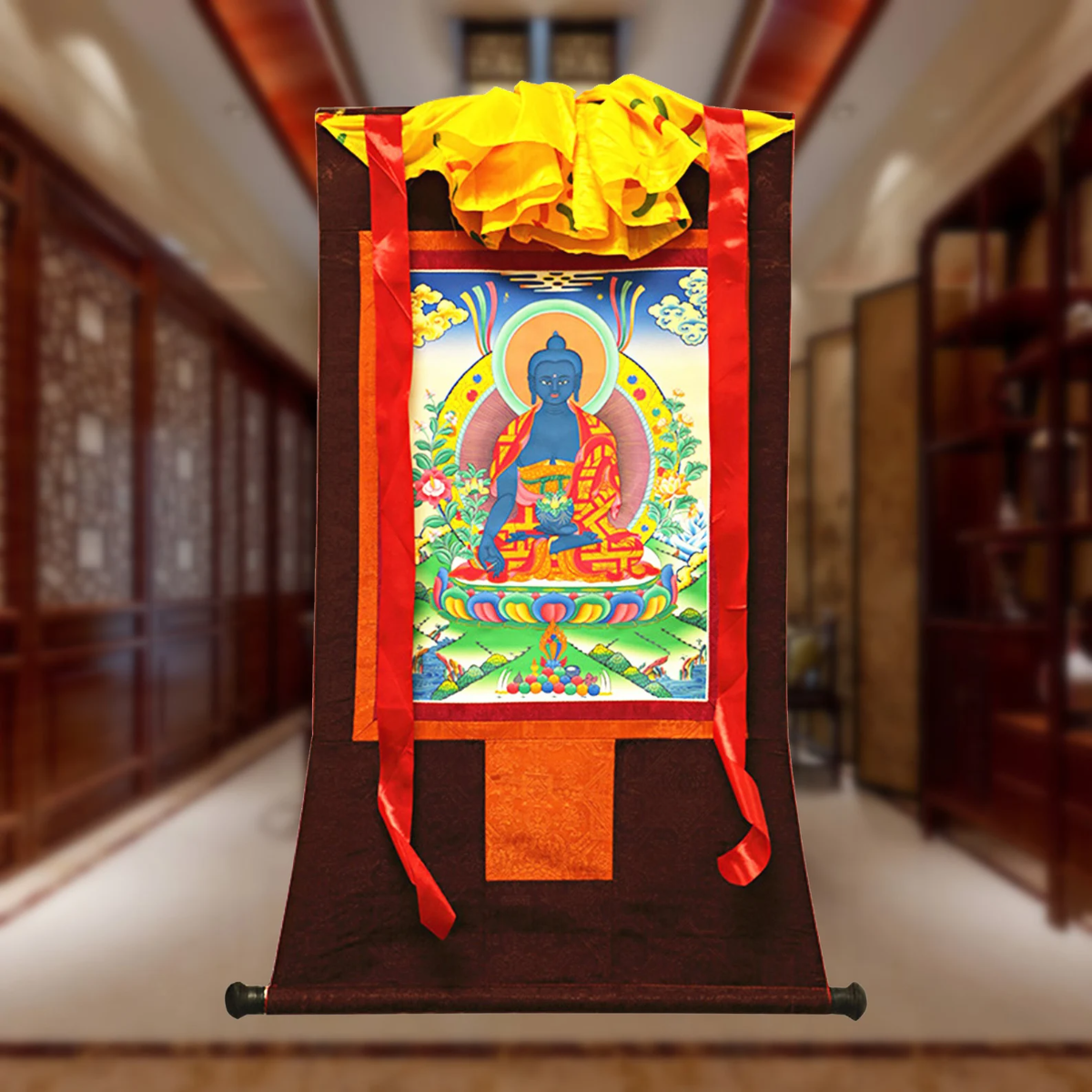
Hand Embroidery Brocade
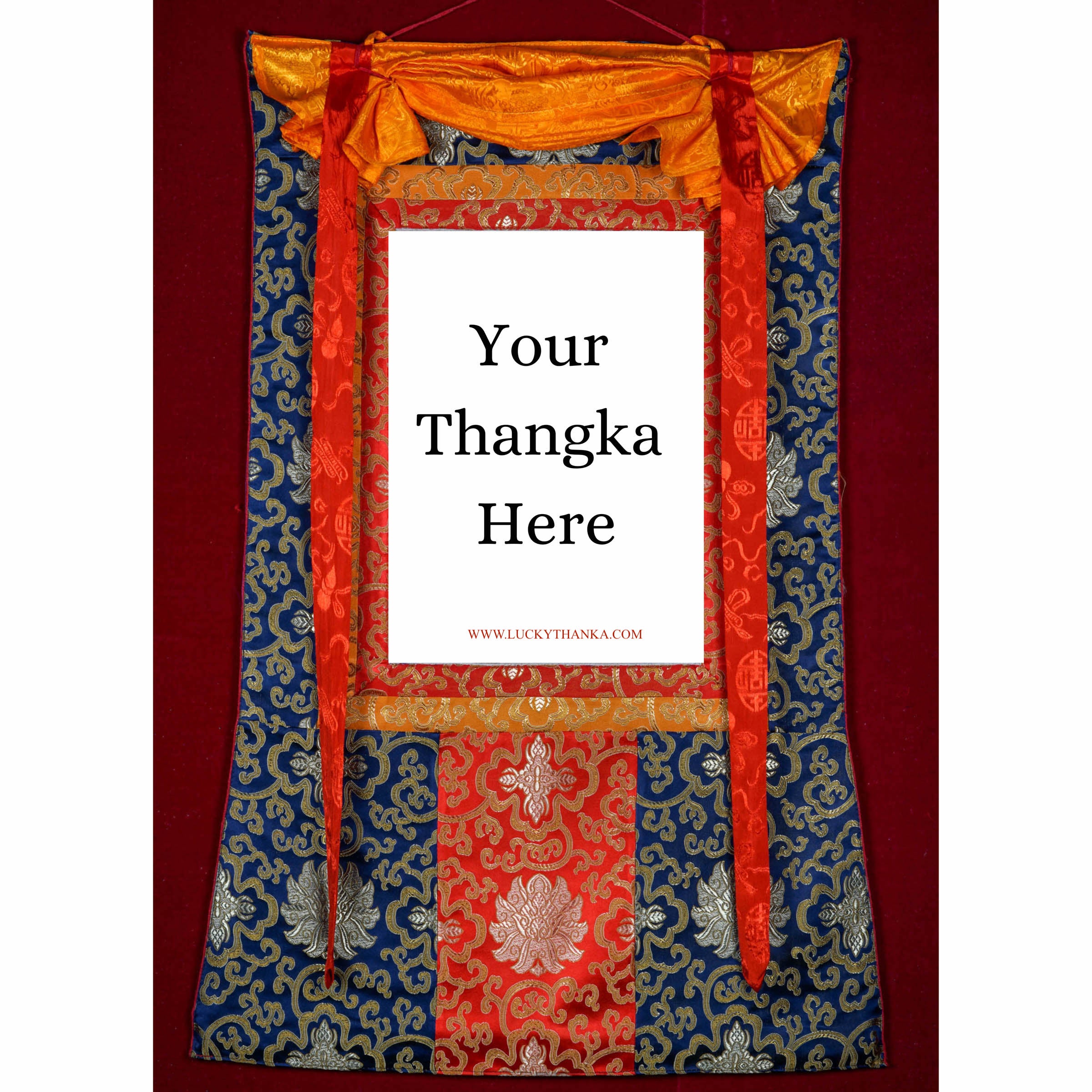
Want to add a Brocade to your beautiful Thangka Painting? Traditional Style Brocade has been one of the most popular form of mounting as it has a greater religious merit.
Note: Make sure you have added the Thangka to your cart first.
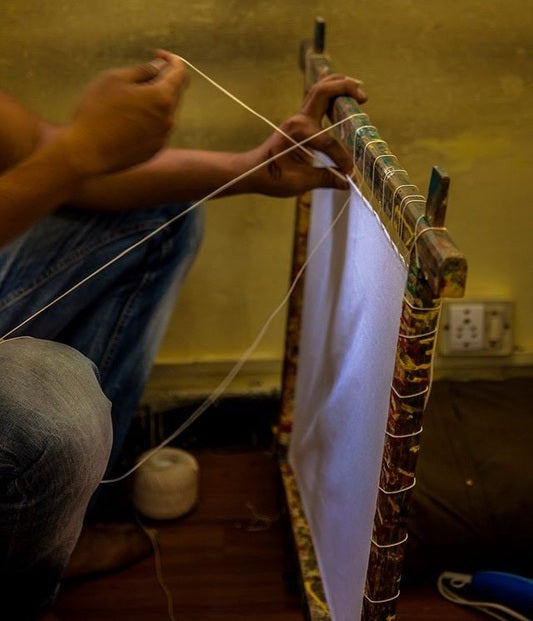
100% Cotton Canvas
Preparing the Cotton canvas before starting to paint a Thangka. This process includes washing, drying, stretching, sizing and everything needed to make a perfect base for the thangka to last for centuries.
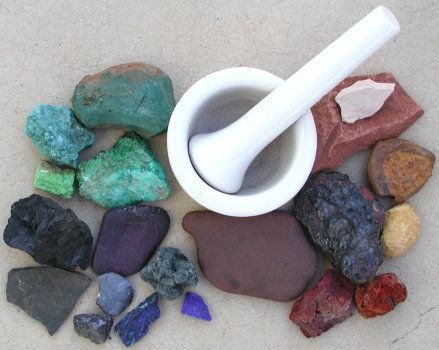
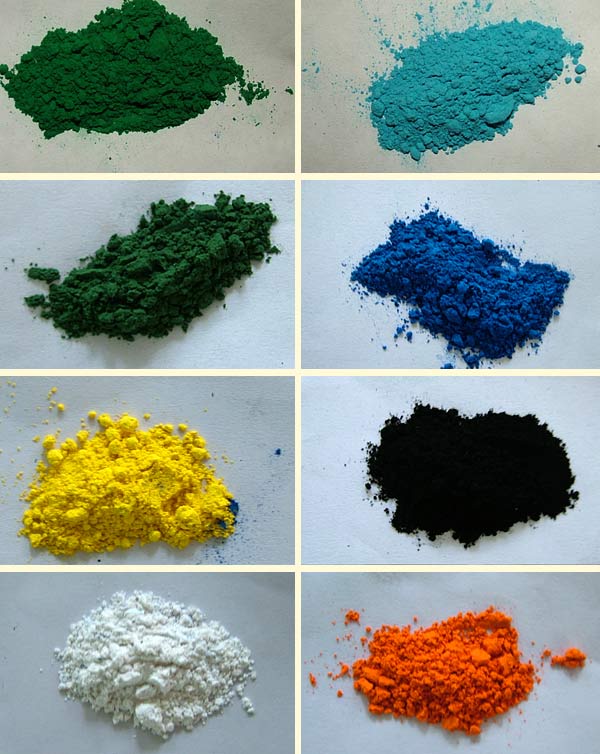
Natural Minerals
Thangka Paintings are painted using the natural minerals. These are firstly grind into the powder form and then used in the thangka as a paint.
Service and delivery of this first Mandala I bought from Lucky Thanka was really fast and the updates were brilliant. This Mandala is simply beautiful and I am so pleased with it.
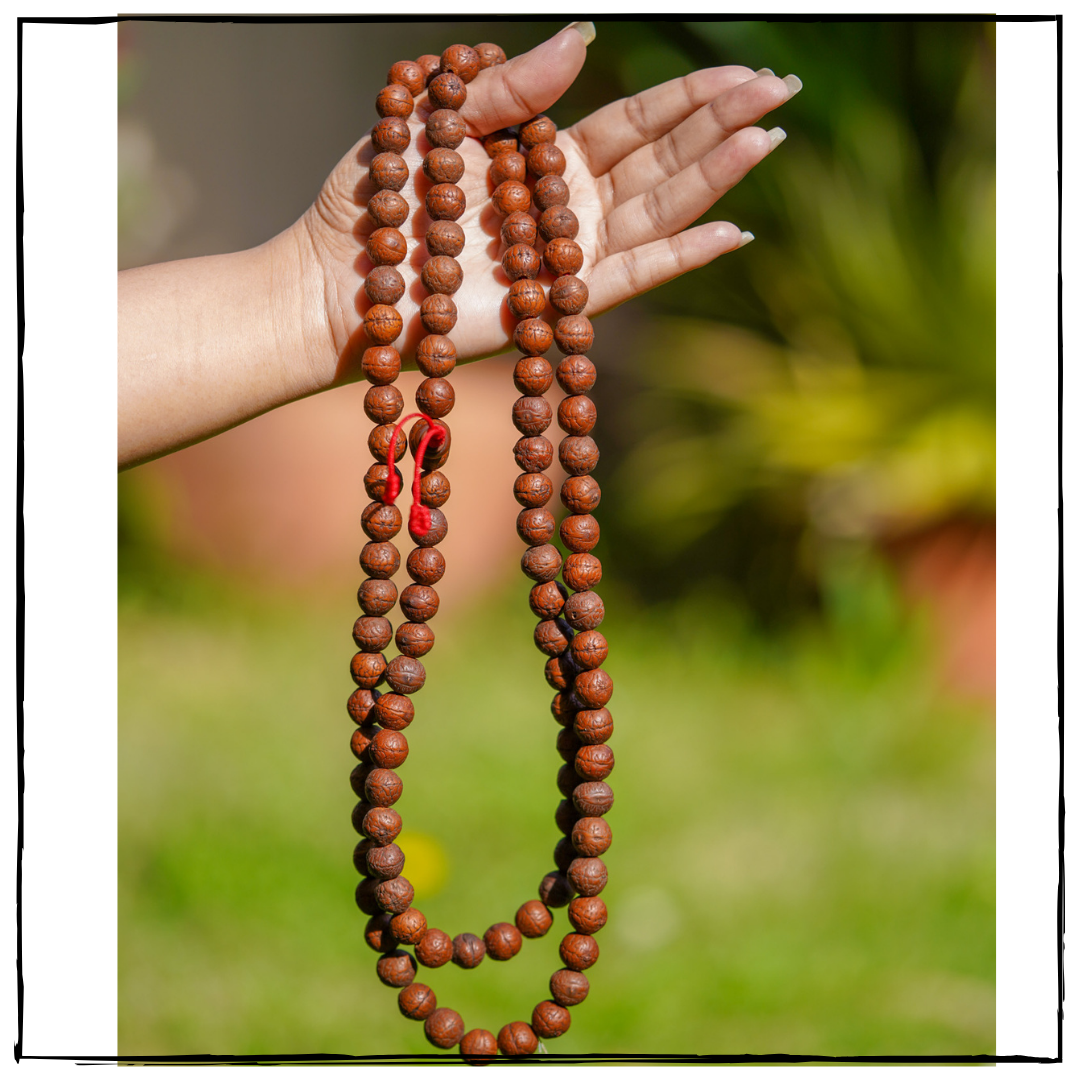
I am very happy with the quality of the seeds and i use it to count my mantra as it has 21 bodhi, which is so difficult to fine else where. Besides that Prateek’s impeccable service and advice is an incentive for me to purchase items from him. I will gladly recommend this website to you.
Great pleasure dealing with Lucky Thangka. Beautiful and well executed pieces. Very responsive and helpful staff. Highly recommended
Great quality heart chakra attuned bowl, fast postage and prompt replies from seller.